
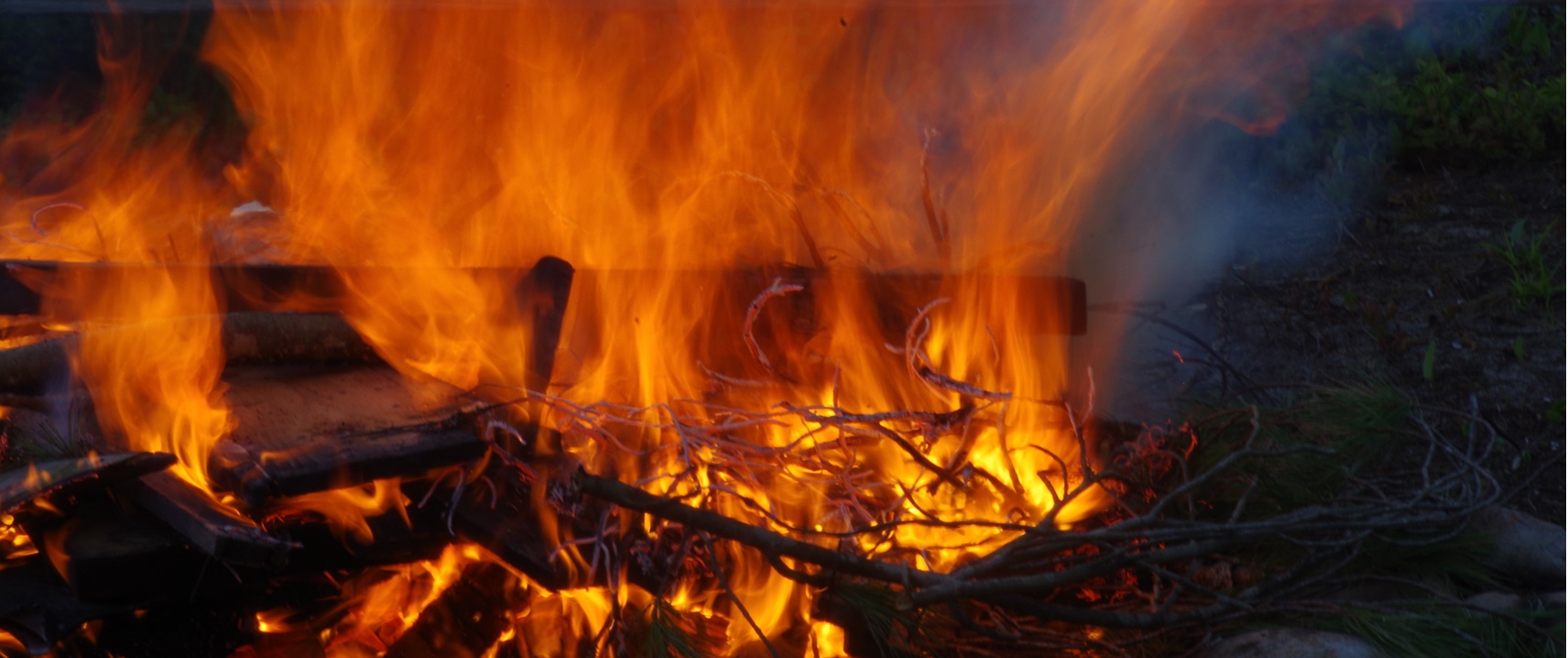
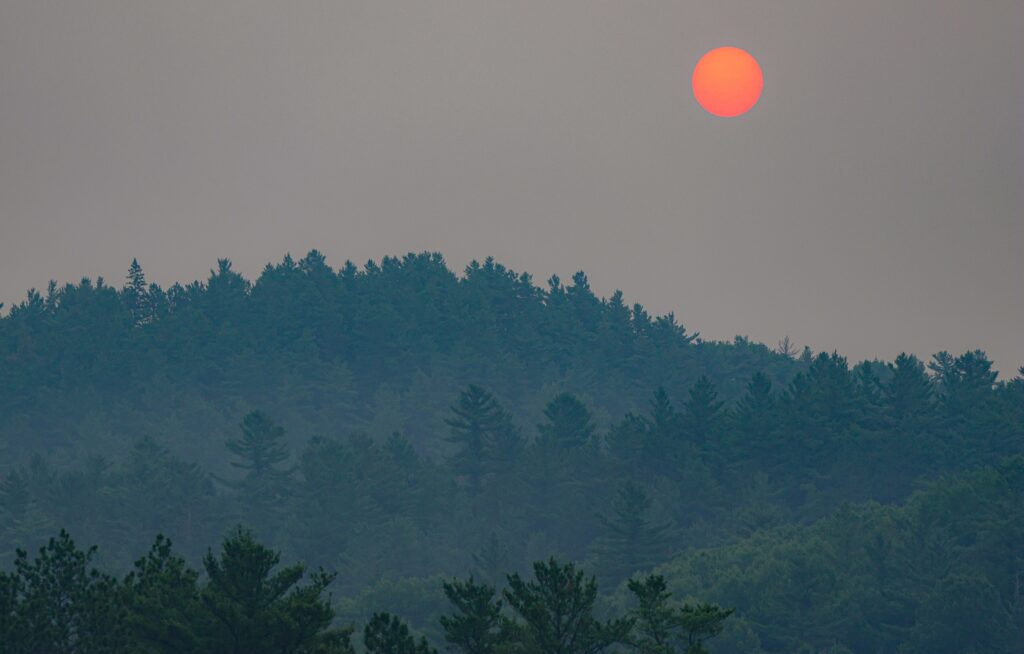
This summer, Ontario and Quebec have once again experienced severe wildfires. Smoke from these fires has affected air quality in major Canadian cities, including Toronto, Montreal, and Ottawa, while also drifting across the border into parts of the United States. Public concern about the impacts of wildfire smoke on health, the environment, and local economies has sparked widespread discussion, with some U.S. officials and residents calling for stronger measures to reduce wildfire risks and their cross-border impacts.
Wildfires have become one of the most pressing environmental challenges facing Canada. Beyond the immediate destruction of forests and wildlife habitat, they affect human health, disrupt communities and businesses, contribute to greenhouse gas emissions, and place increasing pressure on emergency response systems. At the same time, discussions in the media and on social networks demonstrate that Canadians care deeply about the future of their forests and are looking for practical solutions that can help strengthen forest resilience.
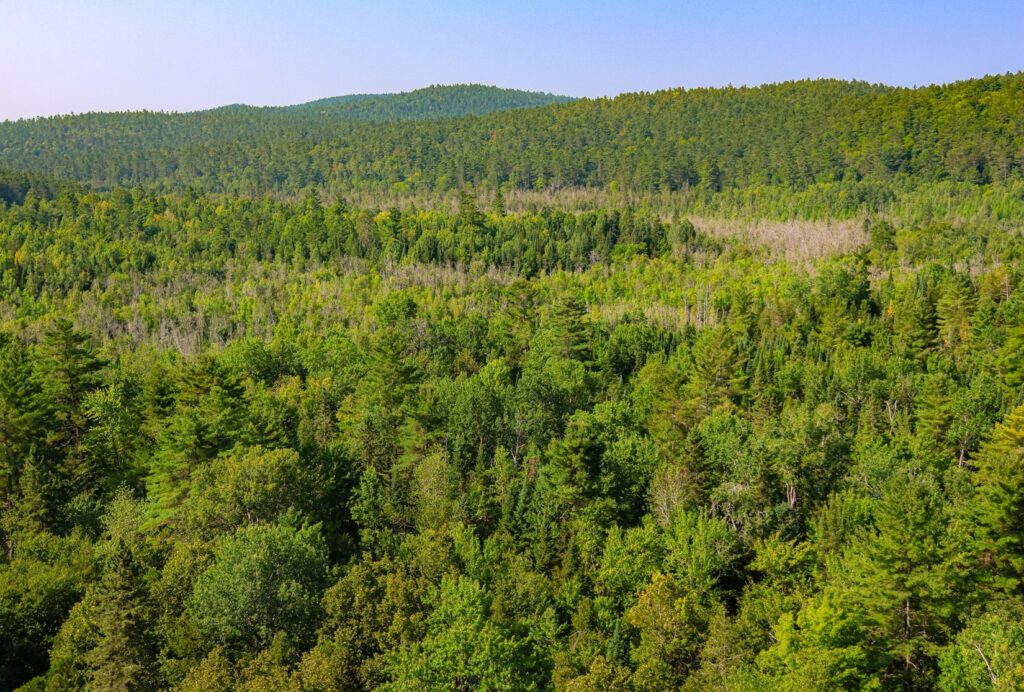
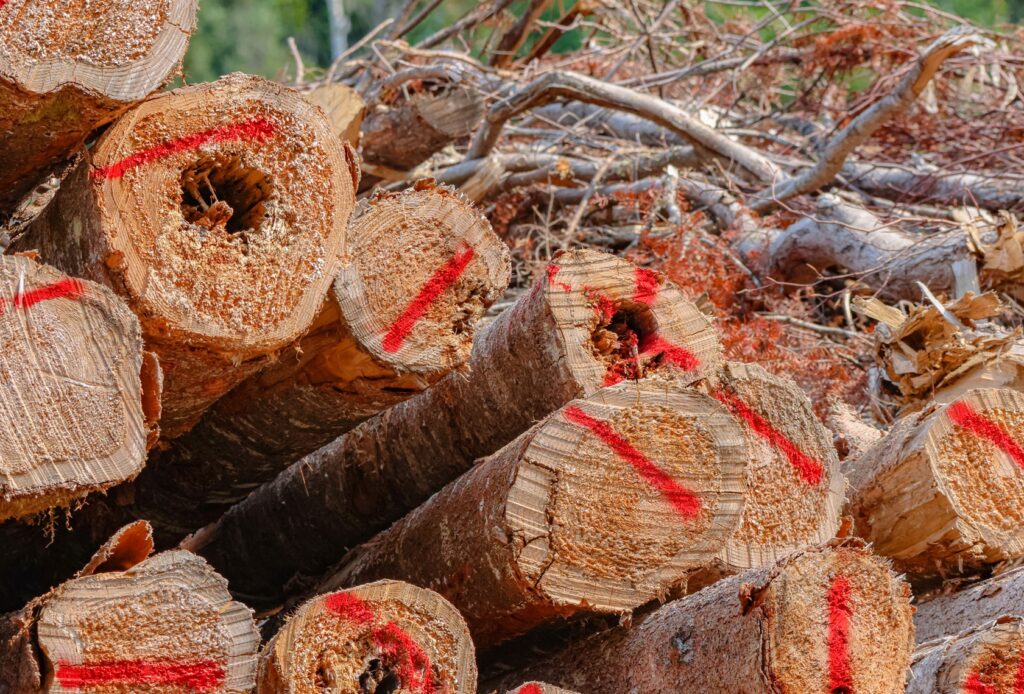
Various factors can lead to forest fires in Canada, including large areas of dry, unharvested timber left over from logging operations
In this article, we are pleased to share the perspective of Michael Brochin, who, although not a forestry scientist, has devoted considerable time to studying wildfire prevention and forest management. As a citizen with a deep appreciation for nature, he offers thoughtful reflections on the importance of shifting greater attention toward wildfire prevention and long-term forest resilience. His ideas are intended not as definitive answers, but as a contribution to the broader public discussion on the future of Canada’s forests.
Before reading Michael’s reflections, it is worth considering what forest resilience means. According to the European Forest Institute, forest resilience is the capacity of forests—and the societies that depend on them—to withstand, recover from, and adapt to environmental, climatic, and social change. A resilient forest is better able to cope with disturbances such as wildfire, insect outbreaks, disease, and climate change while continuing to provide wildlife habitat, clean water, carbon storage, recreation opportunities, and the many other ecosystem services on which both nature and people depend.
In 2024, the Canadian Parks and Wilderness Society – Ottawa Valley Chapter (CPAWS-OV) organized a public event on the growing challenge of wildfires in Canada. The keynote speaker was award-winning author John Vaillant, who presented his internationally acclaimed book Fire Weather: The Making of a Beast. Drawing on the devastating 2016 Fort McMurray wildfire in Alberta, Vaillant explored how climate change, prolonged drought, expanding development in the wildland–urban interface, and decades of dependence on fossil fuels have combined to create a new generation of extreme wildfires. His presentation highlighted the urgent need to move beyond emergency response and invest in long-term forest resilience and wildfire prevention.
As noted in Patricia Erickson’s review of Fire Weather, the book is both a gripping account of one of Canada’s most destructive wildfires and a compelling examination of the environmental and societal changes that are making such disasters increasingly common. While the Fort McMurray fire serves as the central case study, Vaillant places it within the broader context of climate change, changing forest conditions, and increasing human exposure to wildfire risk. At the same time, he points to reasons for cautious optimism, emphasizing that stronger environmental policies, advances in renewable energy, science-based forest management, and proactive wildfire prevention can help build more resilient landscapes and communities. These themes closely align with the ideas discussed in Michael Brochin’s article below, which encourages greater attention to wildfire prevention and long-term forest resilience.
The article is illustrated with photographs of Canadian forests and wildlife taken by Elena Kreuzberg.
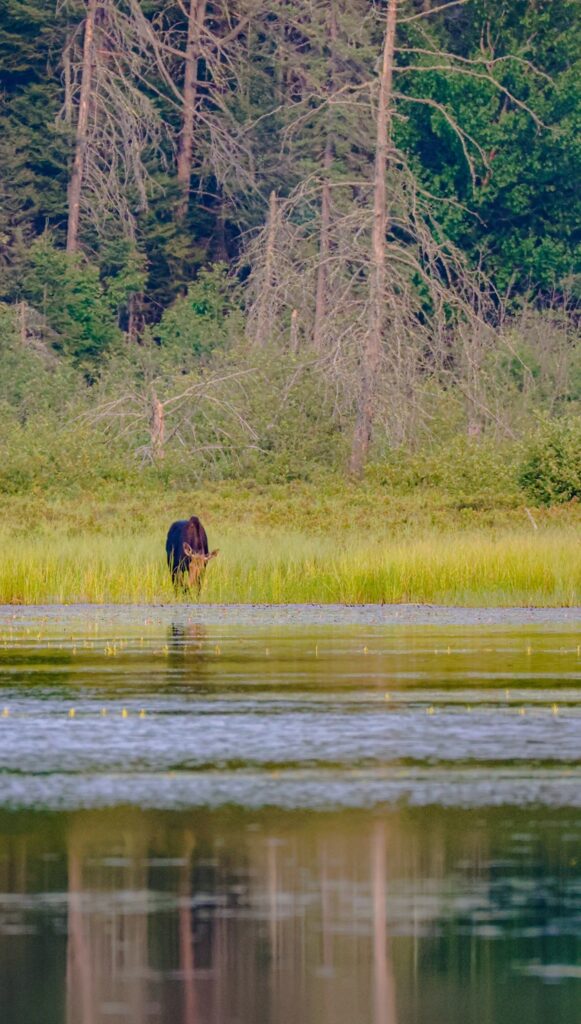
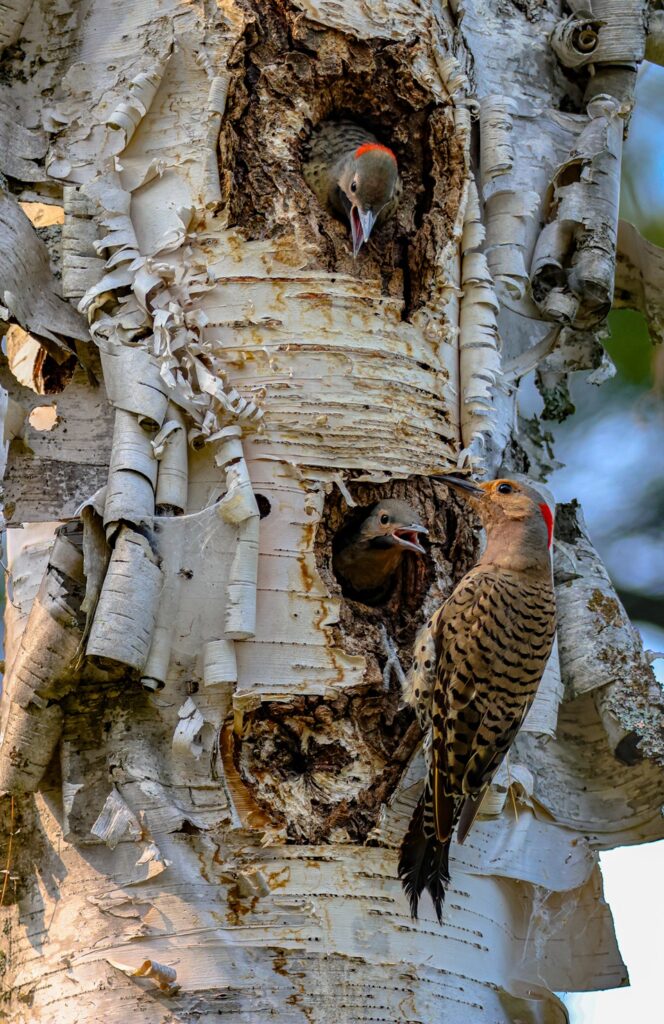
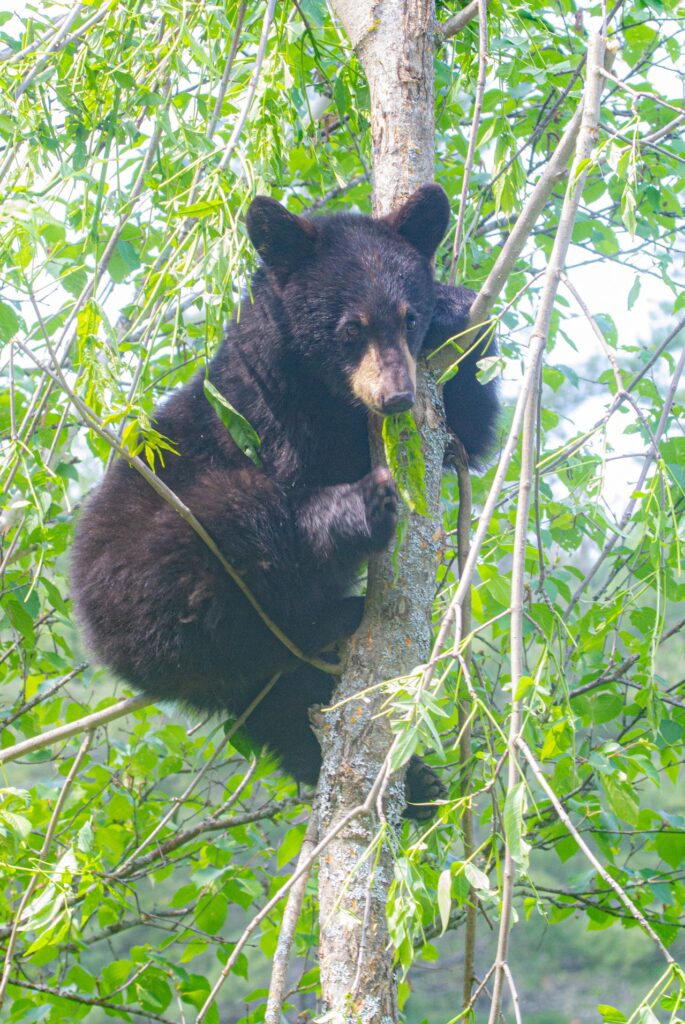
Forest resilience is associated with diversity of environmental conditions
Michael Brochin: Voice from the CSO community members
For anyone who enjoys mushroom picking, foraging, hiking, camping, birdwatching, or simply spending time in nature, the health of our forests matters deeply. Forests are far more than beautiful landscapes. They support biodiversity, provide clean air and water, sustain local economies, and offer the natural spaces many of us rely on for recreation, well-being, and a sense of connection with nature. If we want future generations to enjoy these same benefits, we must place greater emphasis on maintaining healthy, resilient forests and reducing the risk of catastrophic wildfires.
Over the past several years, I have devoted considerable time to studying wildfire risk and forest management. While I am not a forestry scientist, I have explored research, examined management approaches used in Canada and abroad, and reflected on my own observations and experiences. One conclusion has become increasingly clear: we need to shift more attention from reacting to wildfires toward preventing them.
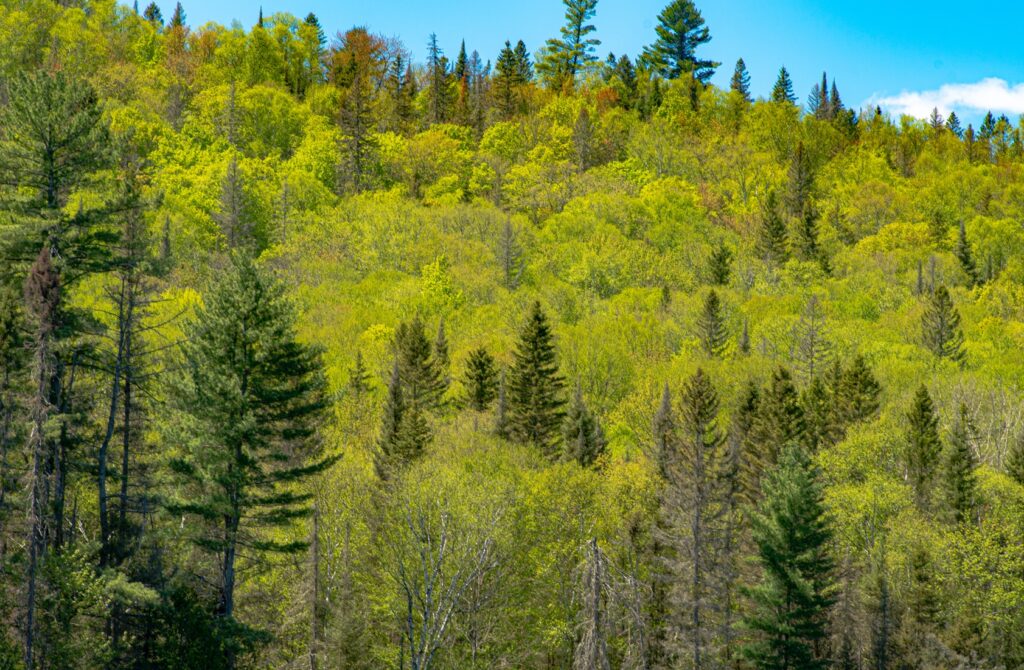
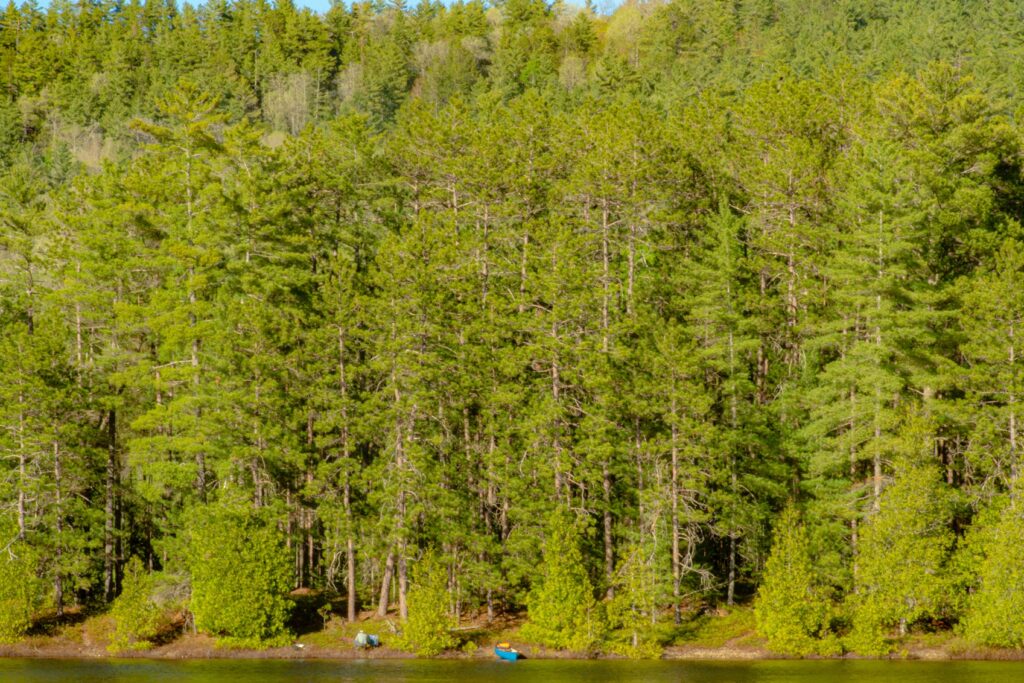
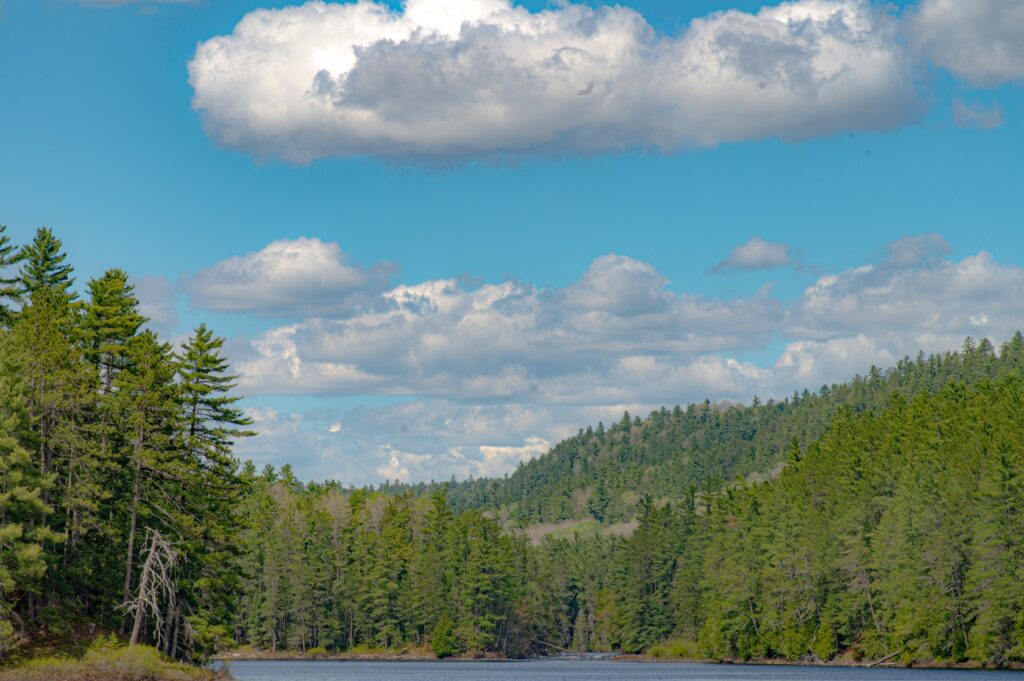
Boreal forest in spring
It is easy to attribute today’s wildfire crisis to climate change, longer fire seasons, limited funding, political disagreements, unattended campfires, strong winds, or even conspiracy theories. Some of these factors undoubtedly contribute to the problem. However, identifying contributing factors is not the same as developing practical solutions. Climate change will not be reversed overnight, and current trends suggest that wildfire seasons are likely to remain challenging for years to come.
Wildfire itself is not the enemy. Fire is a natural ecological process that has shaped many forest ecosystems for thousands of years, helping to regenerate forests, recycle nutrients, and maintain biodiversity. The challenge lies in the changing conditions under which fires now occur. In many regions, forests have become more homogeneous because of past management practices, while expanding human activity has increased the number of potential ignition sources. At the same time, warmer temperatures, prolonged droughts, and changing weather patterns have created conditions that allow fires to spread more rapidly and burn with greater intensity. Forest management has not always kept pace with these changing realities, and that gap is becoming increasingly evident.
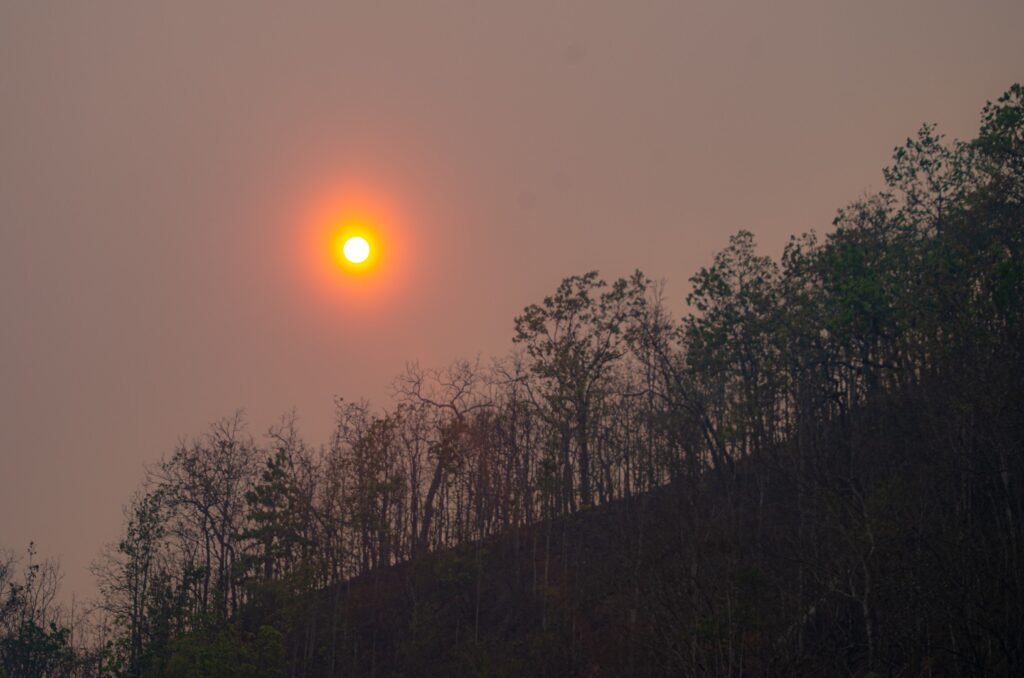
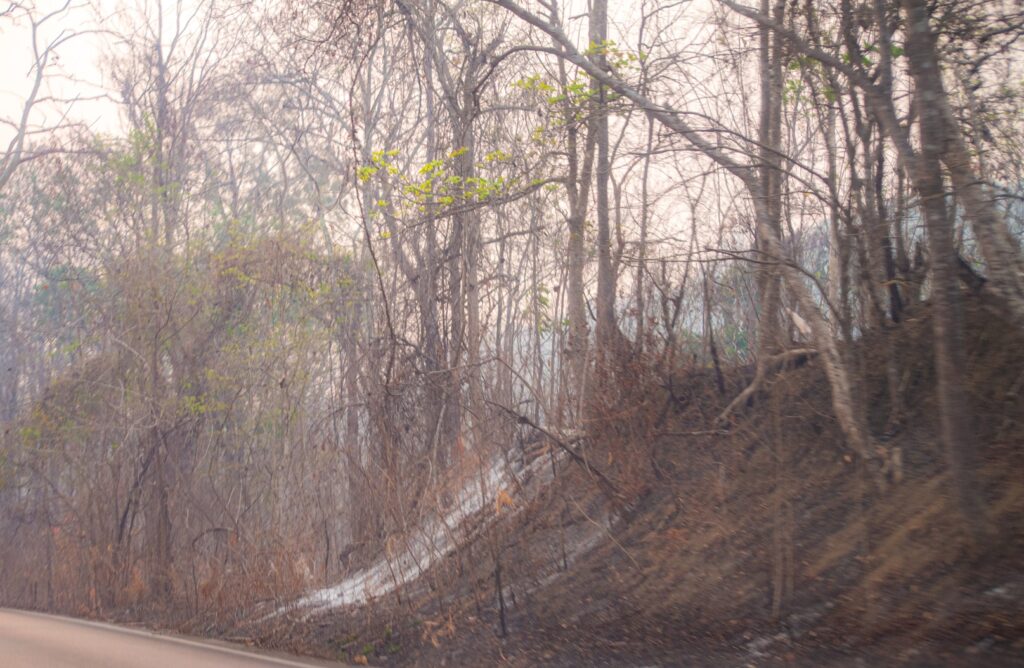
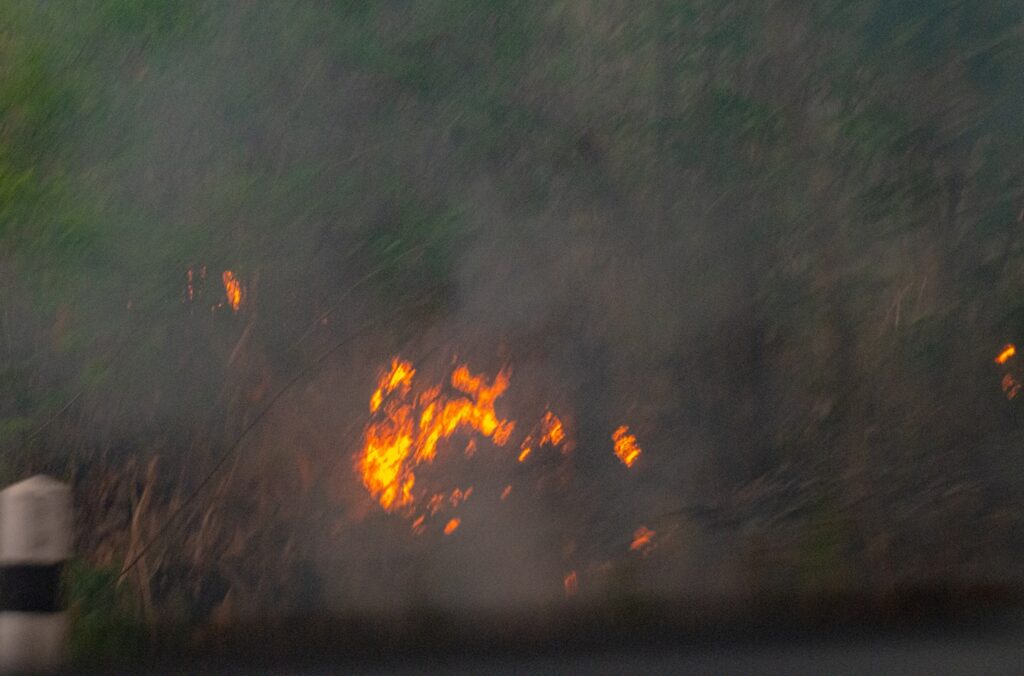
Increased forest fires is a global problem: wildfire in northern Thailand by spring 2026
Canada continues to experience larger, more destructive wildfire seasons, affecting communities, wildlife, infrastructure, public health, and local economies. While effective fire suppression will always remain essential, prevention deserves a much greater role in our national conversation. Investing in forest resilience through proactive management, fuel reduction, landscape planning, ecosystem restoration, and science-based decision-making can help reduce wildfire risk while supporting healthier forests over the long term.
With the assistance of artificial intelligence as a planning and research tool, I have developed a preliminary concept exploring practical measures that could contribute to wildfire prevention and stronger forest resilience. It is not intended to provide all the answers. Rather, it is an invitation to discussion, refinement, and collaboration among foresters, scientists, policymakers, Indigenous communities, land managers, and everyone who cares about the future of Canada’s forests.
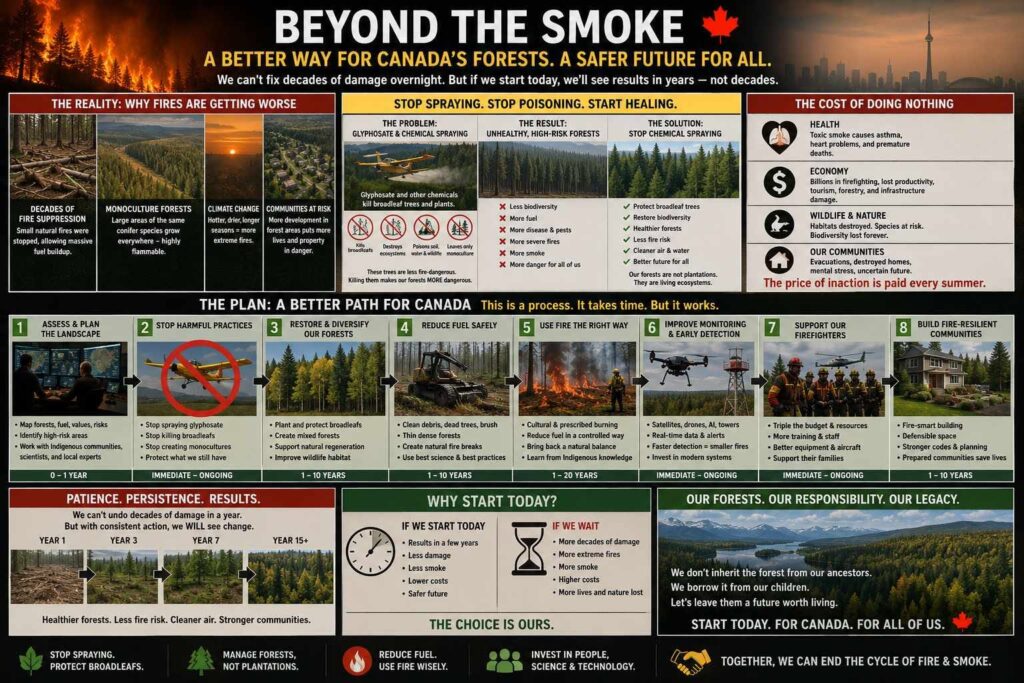
Protecting our forests requires more than responding to emergencies. It requires long-term thinking, shared responsibility, and a willingness to invest in prevention as well as response. The decisions we make today will shape the forests—and the communities that depend on them—for generations to come.