
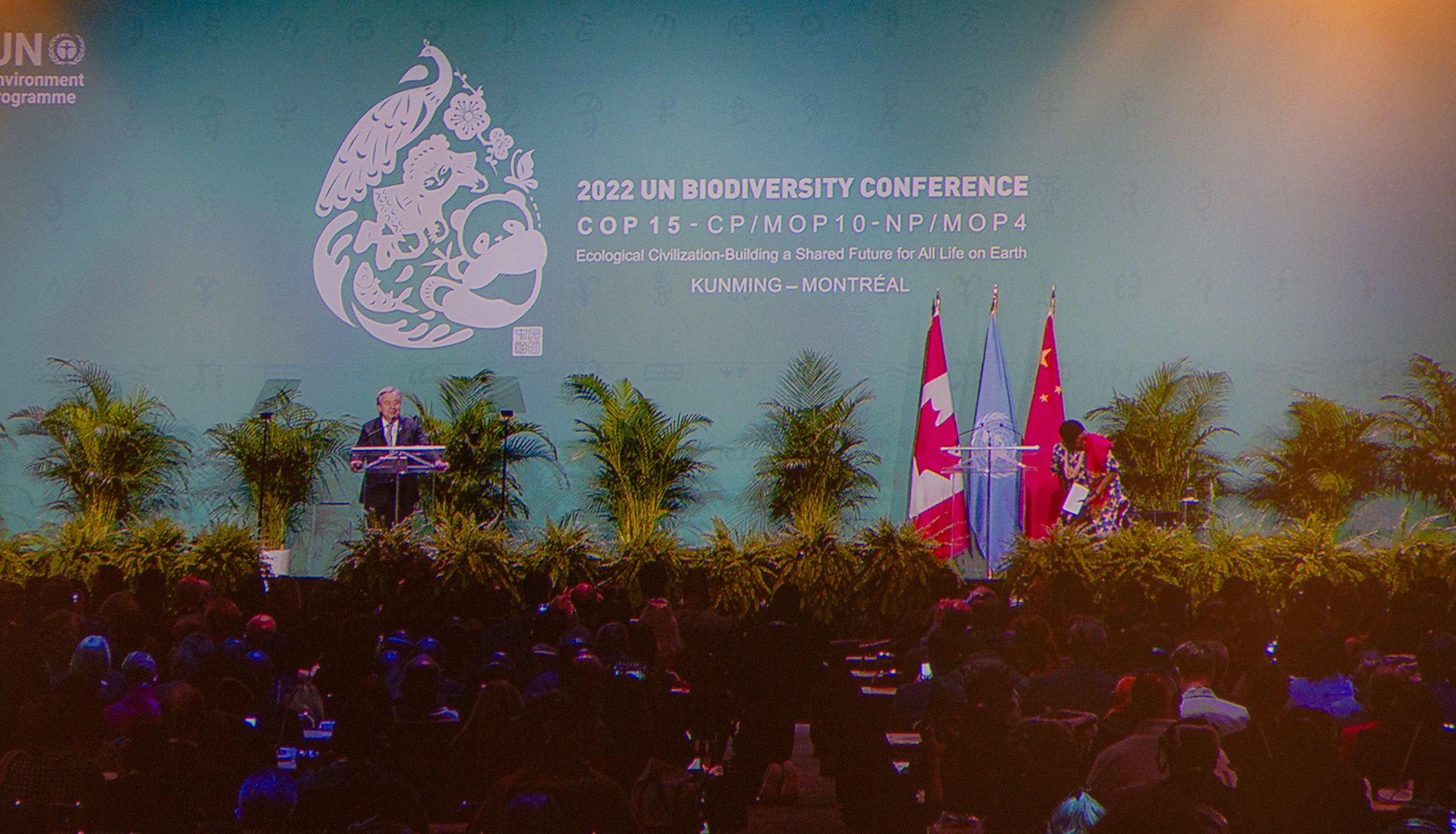
From the Convention on Biodiversity Conservation to the Kunming-Montreal Global Biodiversity Framework
Biodiversity – the variety of life on Earth – is fundamental to human well-being and the functioning of natural ecosystems. It provides clean air, fresh water, fertile soils, food, raw materials, and countless other ecosystem services that support societies and economies worldwide. Recognizing its importance, governments and civil society representatives gathered at the Rio Earth Summit in 1992 and adopted the Convention on Biological Diversity (CBD), ensuring a global framework for the conservation and sustainable use of biodiversity and the fair sharing of benefits arising from genetic resources.
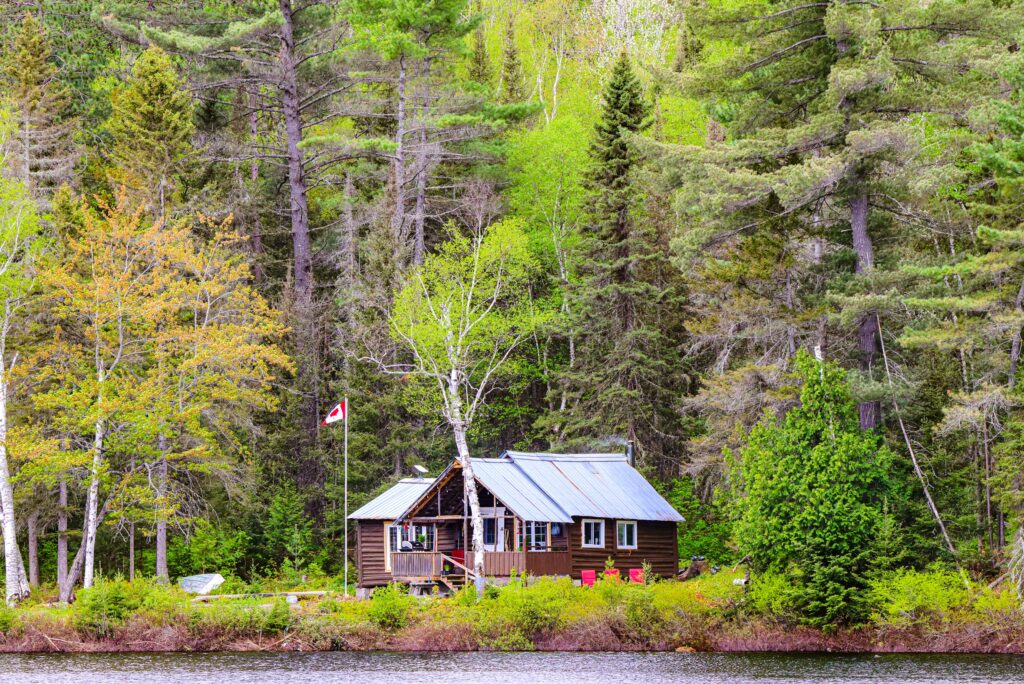
Canada plays a significant role in global biodiversity governance due to its vast natural capital. The country contains the world’s largest coastline, approximately one-fifth of global freshwater resources, extensive Arctic ecosystems, and nearly one-quarter of the planet’s remaining intact boreal forests. These ecosystems support globally important biodiversity, store enormous amounts of carbon, and contribute to climate regulation far beyond Canada’s borders.
Canada was among the first industrialized countries to sign and ratify the CBD and has hosted the Secretariat of the Convention in Montreal since 1996. This has positioned the country as an important participant in international biodiversity policy and cooperation. While Canada continues to face its own conservation challenges, including habitat loss, pressure from resource development, invasive species, and climate change, it has consistently supported global efforts to strengthen biodiversity conservation and sustainable resource management.
Canada’s leadership became particularly visible during the fifteenth Conference of the Parties to the Convention on Biological Diversity (COP15), held in Montreal in 2022. The conference concluded with the adoption of the Kunming-Montreal Global Biodiversity Framework, a landmark agreement aimed at halting and reversing biodiversity loss by 2030 and achieving a vision of living in harmony with nature by 2050. Among its most notable commitments is the global target to conserve at least 30 percent of the world’s terrestrial and marine areas by 2030.

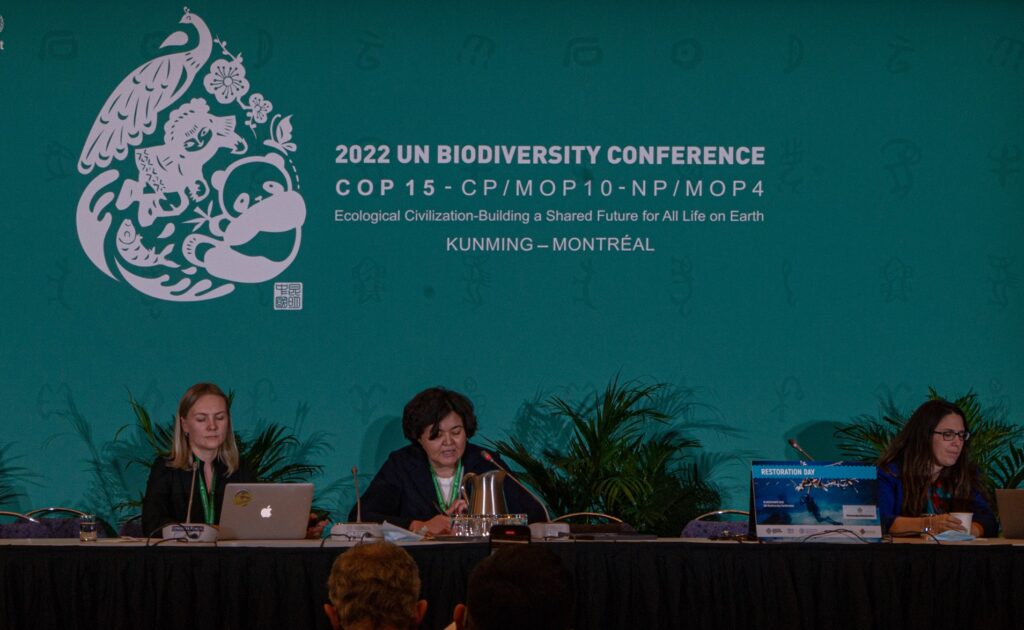
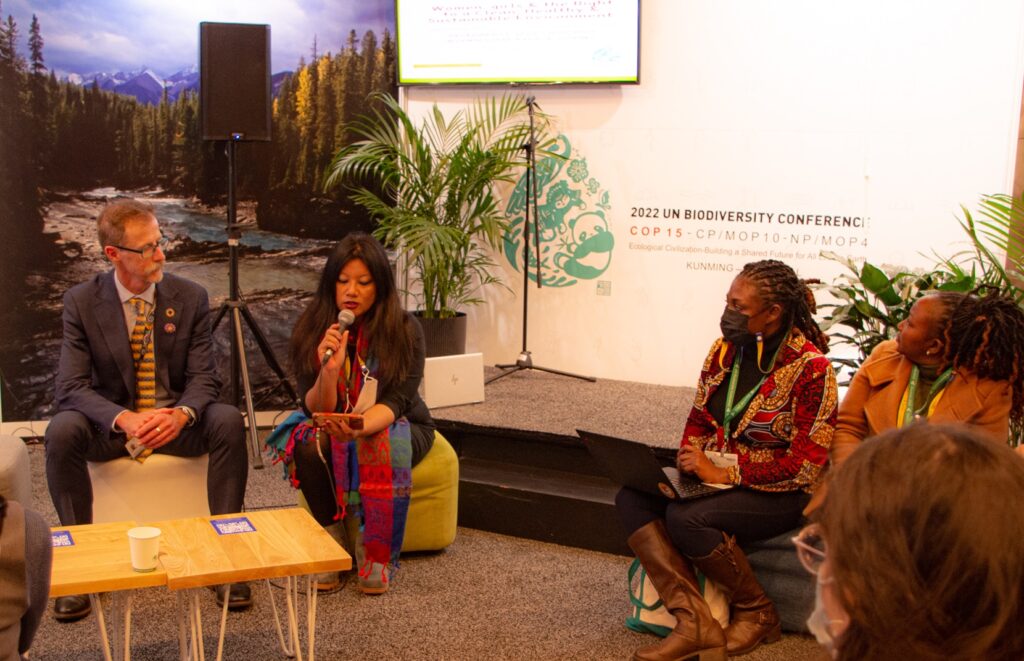
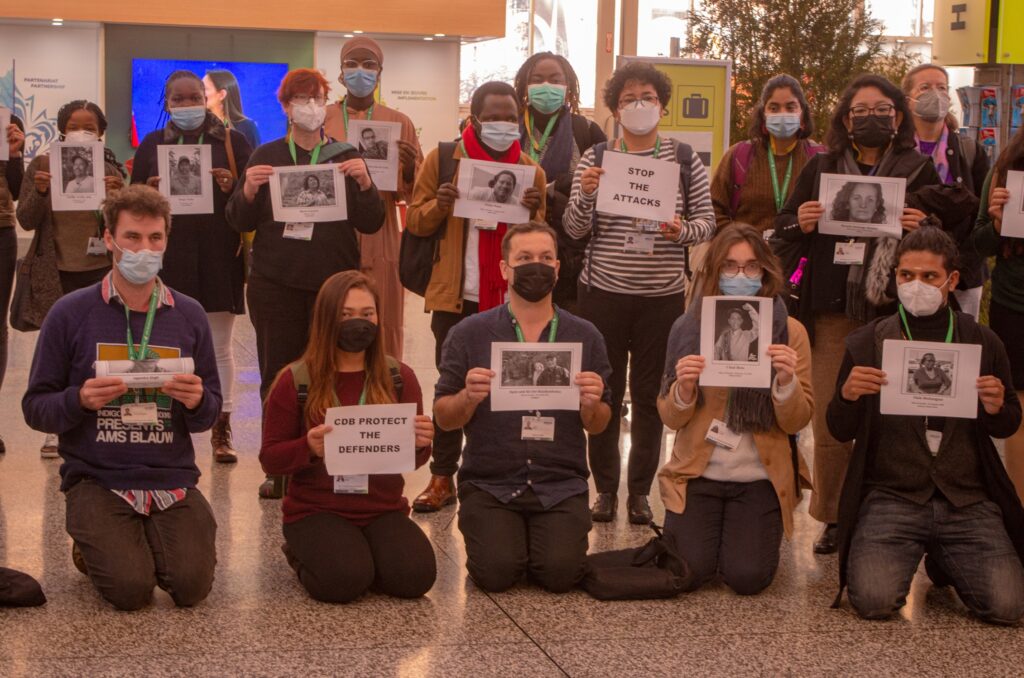


During COP-15: in the halls of the conference and on streets of Montreal
At the national level, Canada has sought to align its policies with these global commitments through the development of the 2030 Nature Strategy and related conservation initiatives. Investments in protected and conserved areas, support for ecosystem restoration and efforts to conserve peatlands, forests, grasslands, and coastal ecosystems contribute both to biodiversity conservation and climate change mitigation. Canada has also expanded the involvement of First Nations, Inuit, and Métis communities in conservation planning and management, recognizing the importance of Indigenous knowledge and stewardship in achieving long-term conservation outcomes.
Beyond its domestic efforts, Canada supports biodiversity conservation internationally through financial contributions and development cooperation programs. The country has contributed to the Global Biodiversity Framework Fund and remains a significant supporter of the Global Environment Facility, helping developing countries implement biodiversity conservation measures and meet international environmental commitments. Canadian international assistance increasingly focuses on addressing the direct drivers of biodiversity loss, including habitat degradation, unsustainable resource use, pollution, and climate change.
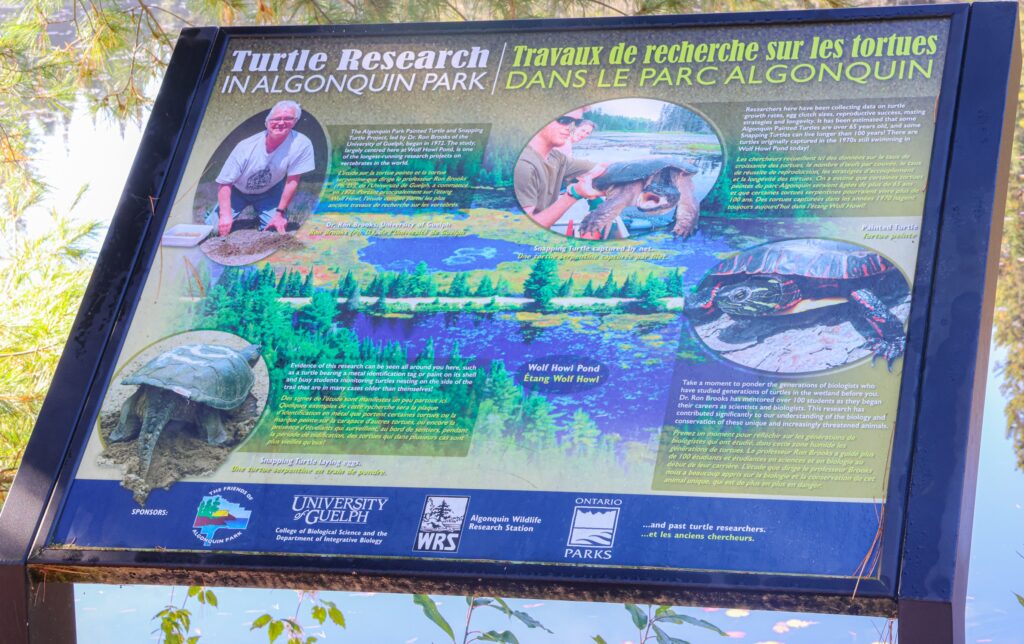
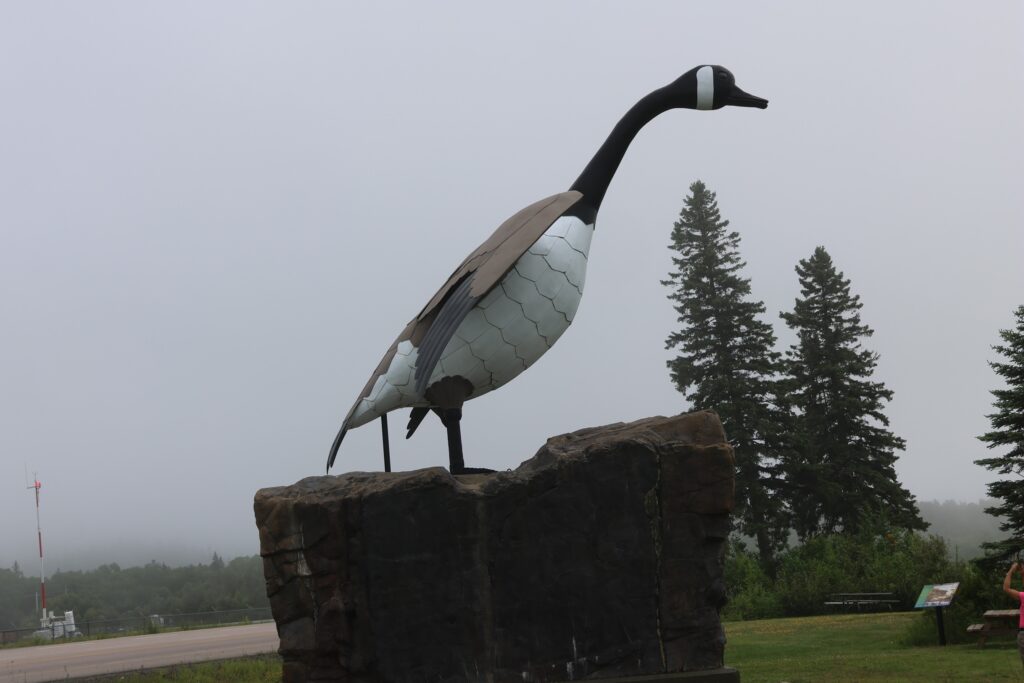

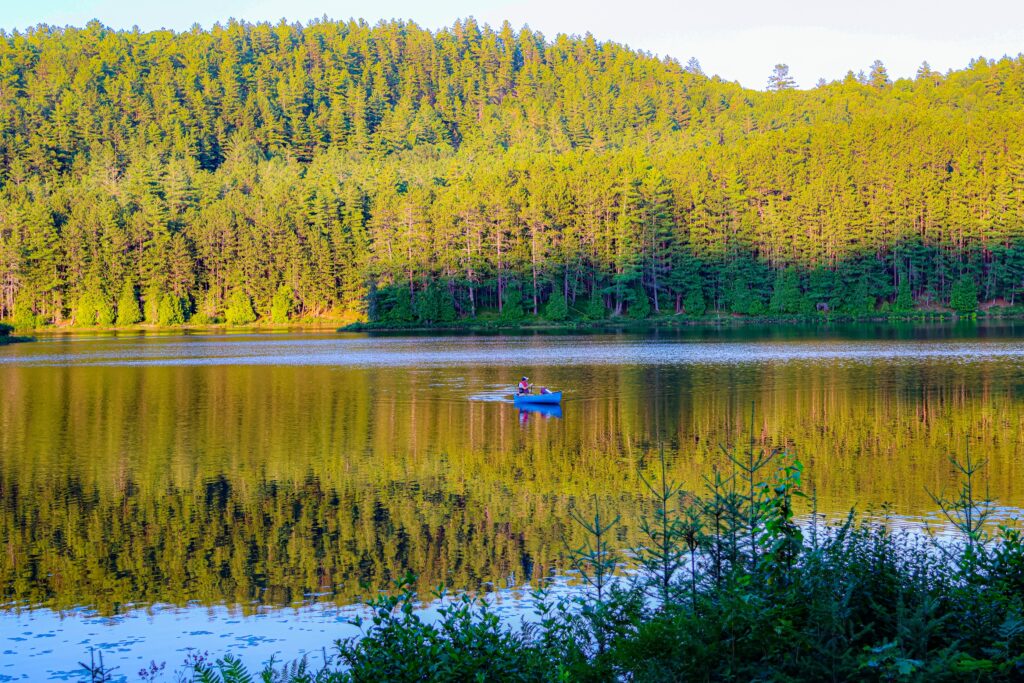
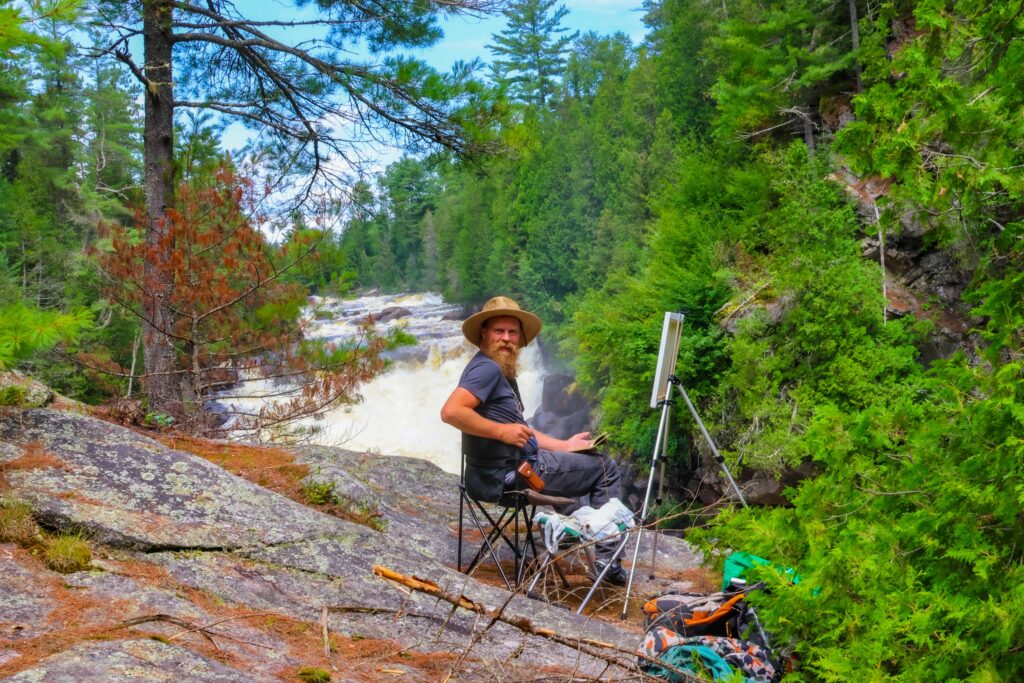
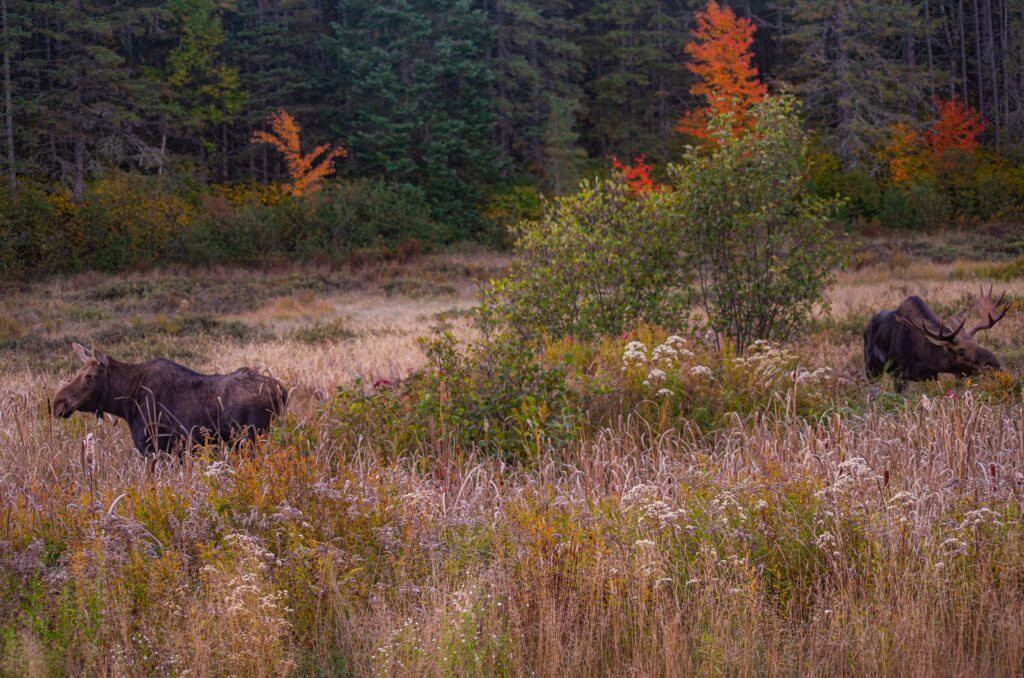
Amazing Canada nature is protected by efforts of all interested stakeholders, involving governments, Indigenous People, conservation communities and civil society
Canada’s experience demonstrates that biodiversity conservation is an ongoing process rather than a completed achievement. The country continues to balance economic development, resource use, Indigenous rights, and environmental protection while contributing to international biodiversity governance. Although challenges remain, Canada’s policies, institutions, and international engagement provide valuable lessons for countries seeking to strengthen biodiversity conservation while pursuing sustainable development.