
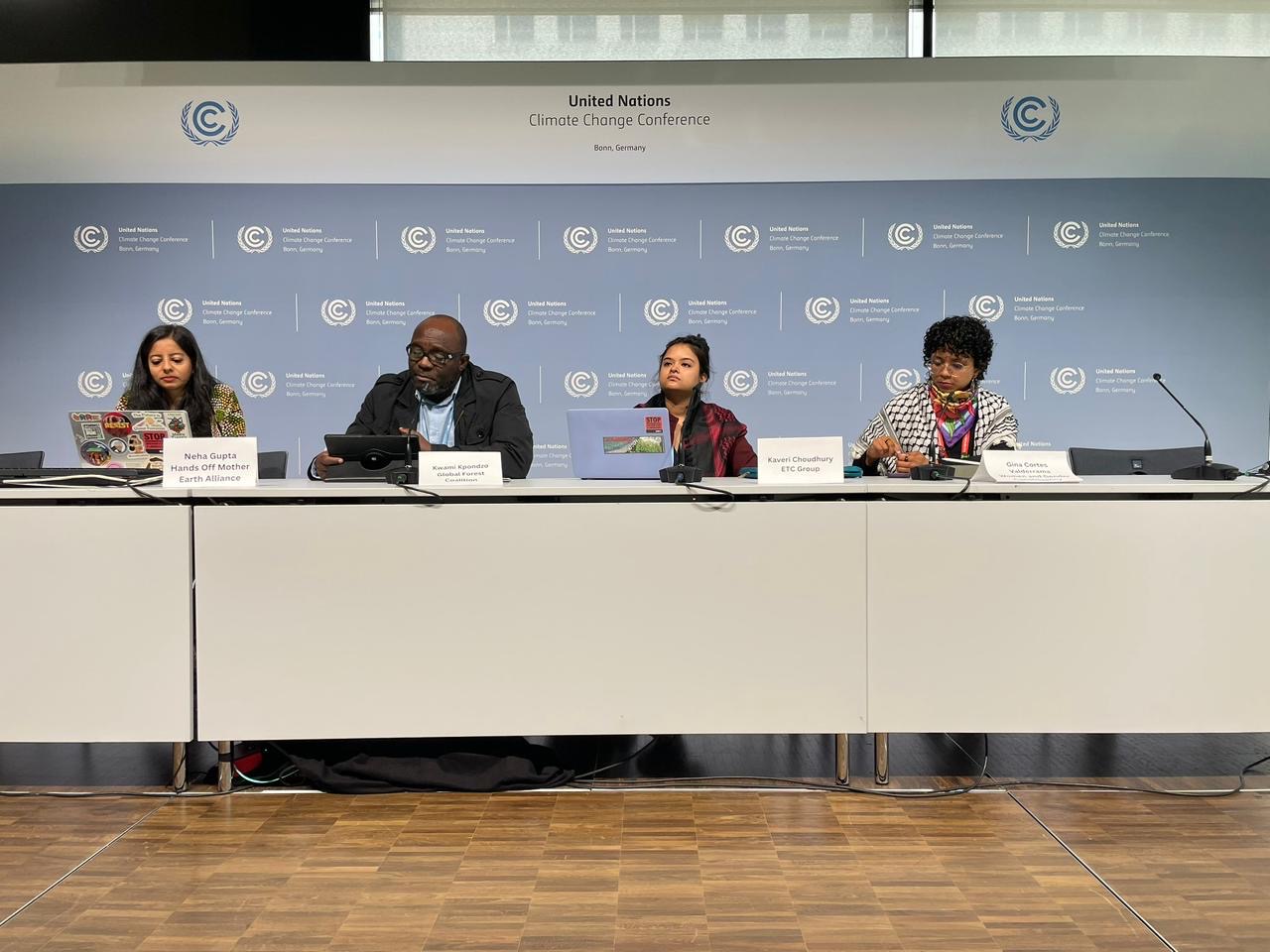
From 8–18 June 2026, the annual sessions of the Subsidiary Body for Scientific and Technological Advice (SBSTA) and the Subsidiary Body for Implementation (SBI) under the United Nations Framework Convention on Climate Change (UNFCCC) were held in Bonn, Germany.
The conference, known as SB64, served as a key preparatory meeting for the 31st Conference of the Parties (COP31), which will take place from 8–20 November 2026 in Antalya, Türkiye. COP31 will be jointly hosted by Türkiye and Australia.
Held for the 64th time, the Bonn conference opened with a swift agreement on the agenda during the first plenary session on 8 June, allowing delegates to move quickly into thematic negotiations. Discussions were organized through a wide range of working groups covering mitigation, adaptation, climate finance, technology transfer, scientific and technical issues, capacity building, and other priority topics. Where disagreements emerged, countries established contact groups and conducted informal consultations to negotiate compromise solutions and advance the discussions.
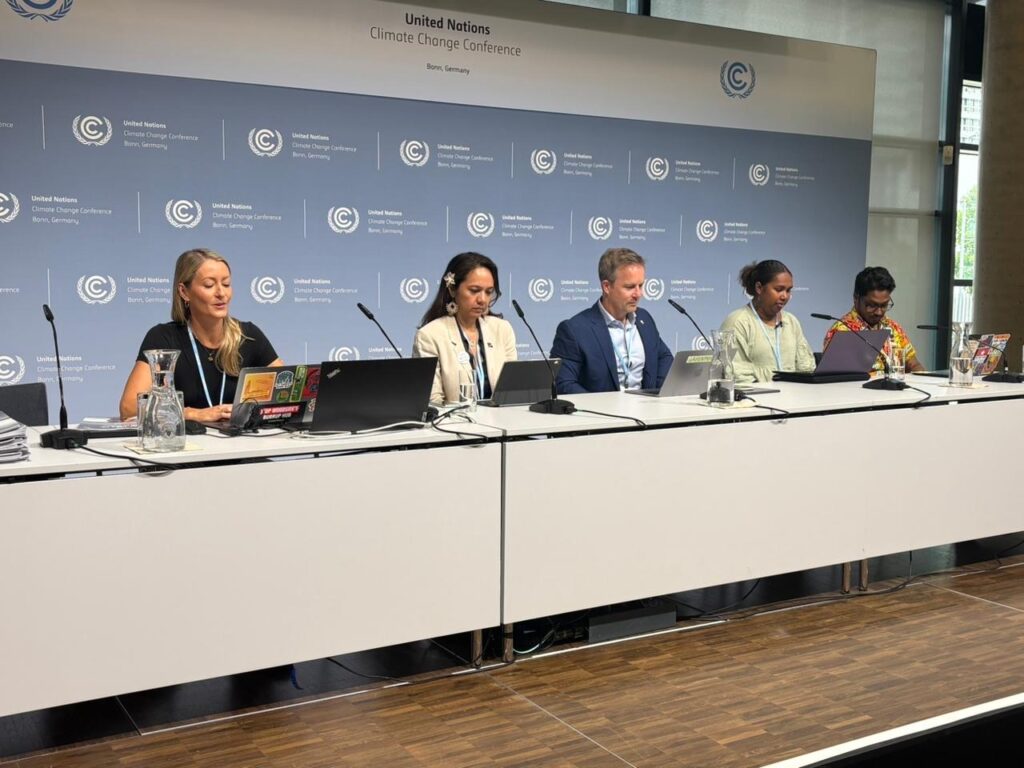
As in previous years, climate finance remained one of the most debated issues. Developing countries called for greater financial support from developed countries to implement climate actions, while developed countries emphasized broader implementation priorities and showed caution regarding additional financial commitments.
One notable development at SB64 was the increased attention given to financing electrification as part of the global energy transition. Delegates also continued detailed discussions on the implementation of Articles 6.2 and 6.4 of the Paris Agreement, which establish international carbon market mechanisms and cooperative approaches for reducing greenhouse gas emissions.
For the first time under the UNFCCC process, countries also discussed the proposed roadmap for the Transition Away from Fossil Fuels (TAFF), an initiative introduced by Brazil during COP30 in Belém. The roadmap had previously been considered at a meeting in Santa Marta, Colombia, in April 2026, where representatives from more than 50 countries exchanged views on possible pathways for implementation. Further negotiations are expected to continue during COP31 in Antalya.
In contrast, the second roadmap proposed by Brazil in Belém—focused on transitioning away from deforestation—was not included in the formal negotiations in Bonn. The topic received limited attention and was addressed only through a side event on 10 June, organized by researchers from the University of Melbourne and Griffith University, Australia.
Civil society organizations remained highly active throughout the conference. Daily side events and press briefings covered a broad range of topics, including gender equality, adaptation finance, a just transition away from fossil fuels, nature-based solutions, and community participation in climate action. For example, the Global Forest Coalition organized two press conferences on 11 and 12 June.
An overarching theme that gained significant momentum during SB64 was the need to strengthen synergies among the three Rio Conventions: the UN Framework Convention on Climate Change (UNFCCC), the Convention on Biological Diversity (CBD), and the United Nations Convention to Combat Desertification (UNCCD). Enhancing cooperation among these three global environmental agreements is increasingly recognized as essential for addressing interconnected challenges related to climate change, biodiversity loss, and land degradation.
This integrated approach is expected to be a major focus during the upcoming Conferences of the Parties: COP31 of the UNFCCC in Antalya, Türkiye, COP17 of the Convention on Biological Diversity (CBD) in Yerevan, Armenia, and COP17 of the United Nations Convention to Combat Desertification (UNCCD) in Ulaanbaatar, Mongolia.
Although the Bonn conference did not produce major political decisions, it played a crucial role in preparing the technical and policy groundwork for COP31. The discussions highlighted the continuing challenges of climate finance, international carbon markets, energy transition, and the growing recognition that climate change, biodiversity conservation, and sustainable land management must be addressed through coordinated global action.