
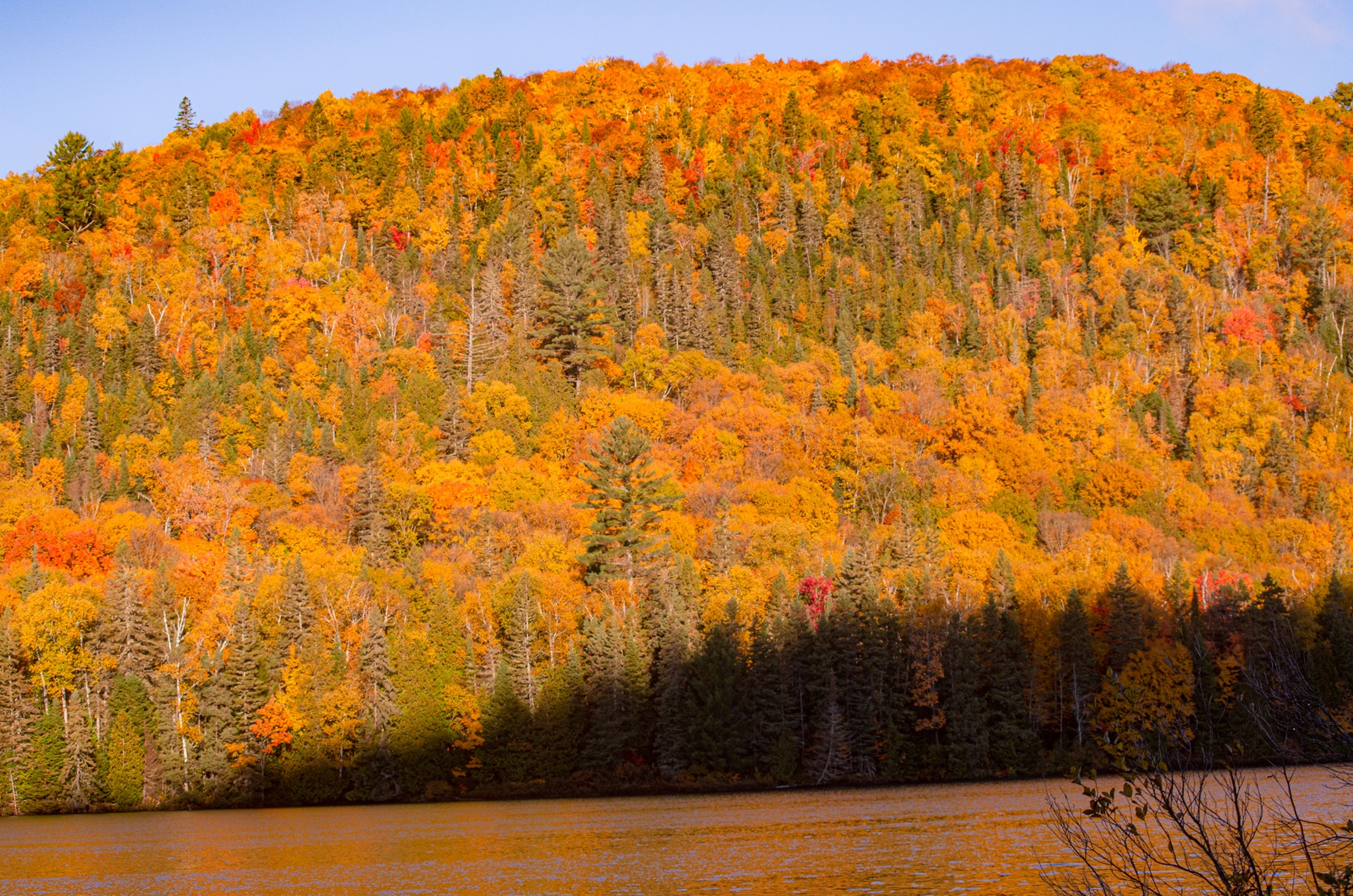
Yesterday, 28 September, marked the beginning of the 10th World Forest Week at the headquarters of the Food and Agriculture Organization of the United Nations (FAO) in Rome, Italy.
This year’s theme, “Forests for food, resilience and prosperity,” highlights the essential contributions of forests and trees to biodiversity conservation, food security, sustainable livelihoods, climate resilience, and the well-being of people and communities.
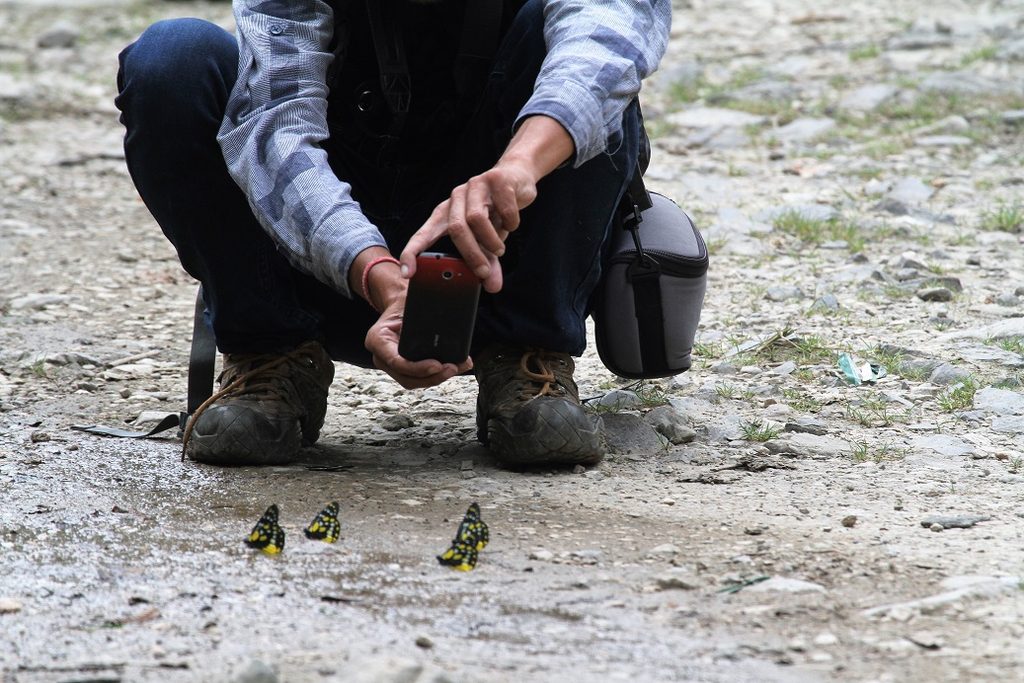
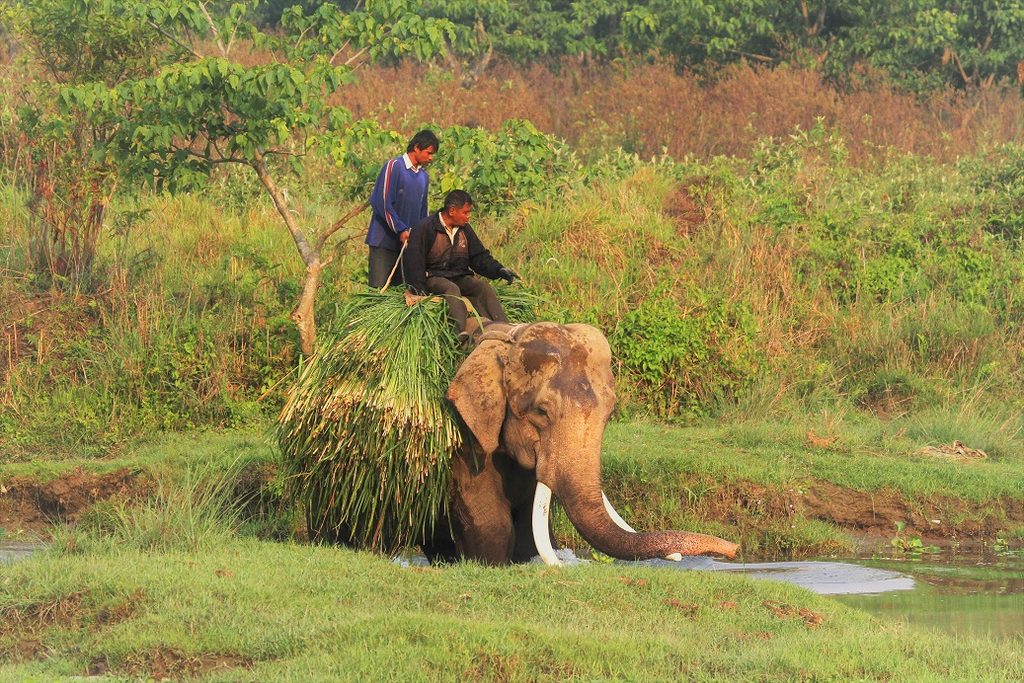
Forests provide important resources, ensuring multiple ecosystem services, sustainable livelihoods and well-being of people and communities
As a biologist and biodiversity conservation specialist, I am particularly interested in strengthening the connections between forest conservation, sustainable land management, and the implementation of global environmental commitments. Forests are not merely reservoirs of biodiversity and carbon; they are complex, living ecosystems that sustain wildlife, regulate water cycles, protect soils, and support local communities.
On a personal level, forests and nature provide me with an endless source of inspiration, knowledge, energy, and opportunities for continuous learning. I believe that people living in and around forests share a similar sense of connection—not only through their dependence on forest resources and ecosystem services, but also through a deeper relationship with the living organisms and ecological processes that sustain these ecosystems. This connection brings with it a shared responsibility to protect forests and ensure their long-term resilience.
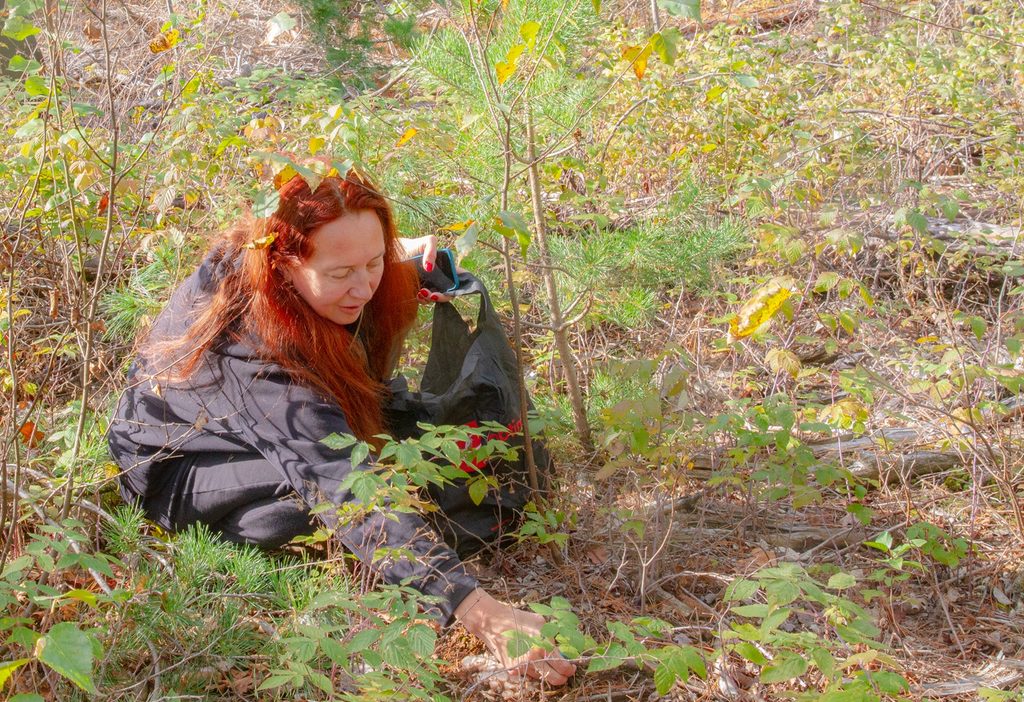
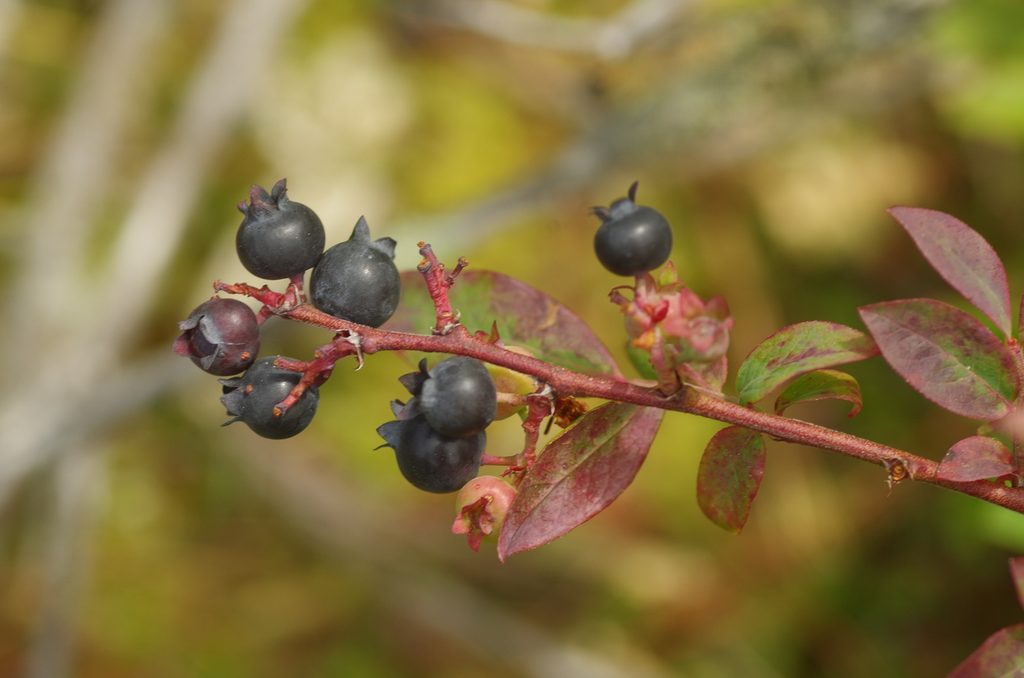
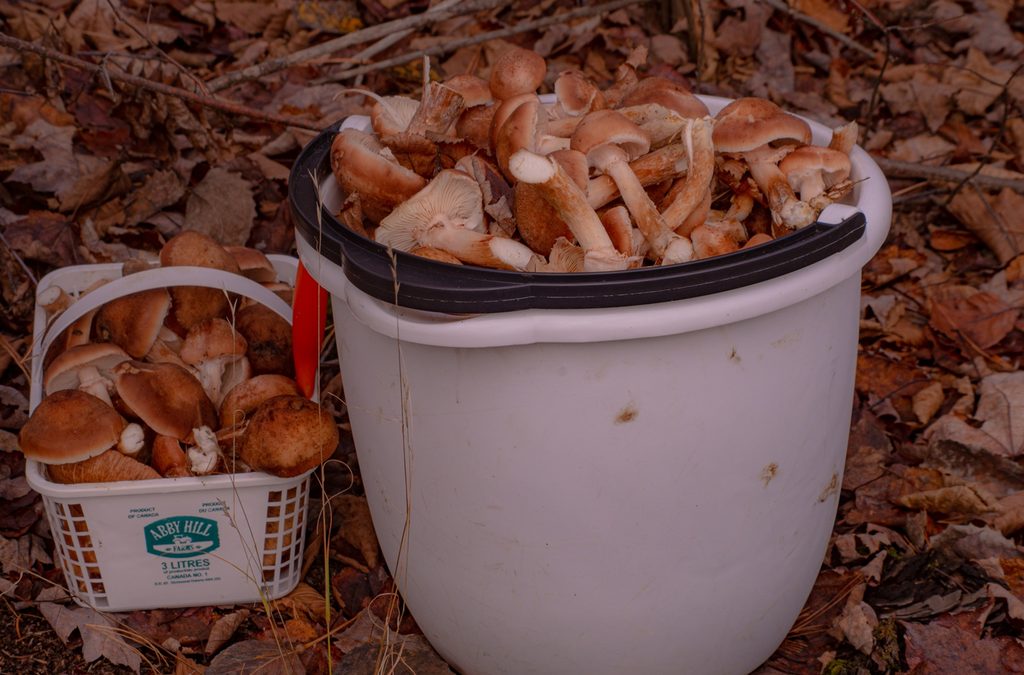
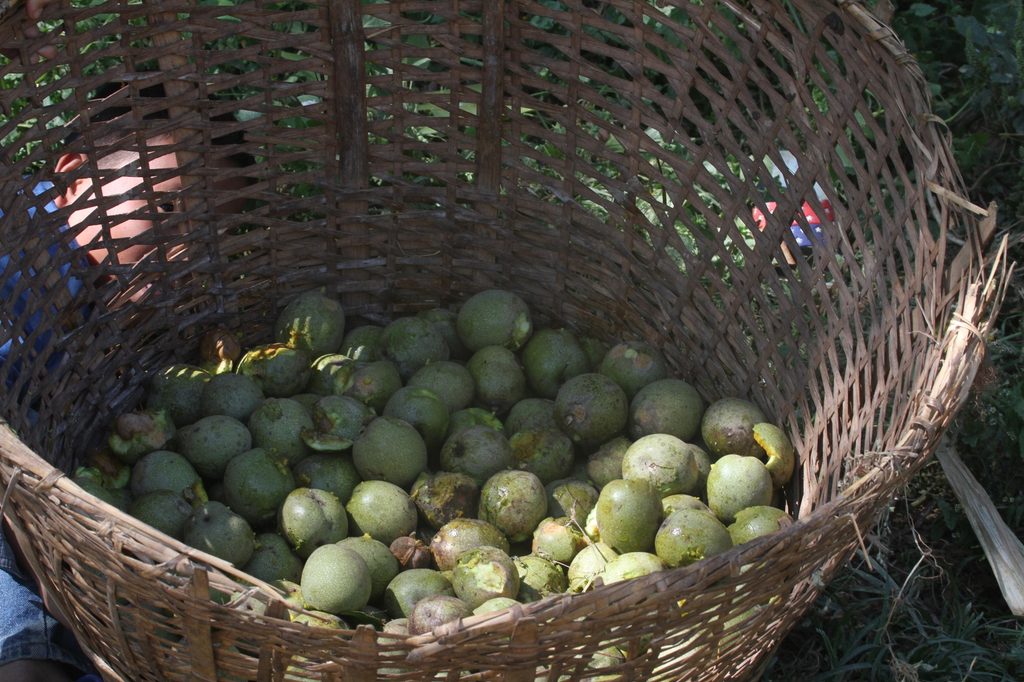
Harvesting of non-wood forest products is a long-term tradition in many cultures
As an NGO focal point within the UN Forum on Forests (UNFF) Major Groups, I greatly value the role of civil society in international forest policy dialogue. Scientific knowledge, the experience of local and Indigenous communities, and the meaningful participation of NGOs are essential for translating global commitments into practical, locally appropriate conservation actions.
In today’s increasingly fragile and interconnected world, it is important not only to highlight how trees and forests contribute to food security, nutrition, rural livelihoods, and biodiversity, but also to strengthen the mechanisms that empower people and communities to make informed decisions, participate in sustainable resource management, and access the financial and technical support needed to halt forest degradation and biodiversity loss. Effective implementation requires moving beyond commitments towards coordinated action, adequate financing, and lasting partnerships.
The 28th Session of the Committee on Forestry (COFO 28), taking place from 28 September to 2 October 2026 at FAO Headquarters in Rome, is an important opportunity for international dialogue on forests and sustainable development. Its discussions are particularly timely in the lead-up to the 17th Conference of the Parties to the Convention on Biological Diversity (CBD COP-17), which will take place in Yerevan, Armenia, from 19 to 30 October 2026. COP-17 will provide an important opportunity to review progress towards the Kunming-Montreal Global Biodiversity Framework and consider the actions needed to achieve its 2030 targets.
For me and my colleagues within the UNFF Major Groups, the connections between these international processes are particularly important. Forest conservation and biodiversity protection are inseparable, and achieving global goals requires cooperation across sectors, regions, and communities, supported by sound science, effective environmental safeguards, and meaningful stakeholder participation.
Through our work, we remain committed to connecting scientific expertise, international environmental standards, and local ecological realities to support forest protection, biodiversity conservation, and sustainable development. By strengthening cooperation and translating global commitments into practical action, we aim to contribute to the implementation of the UN Strategic Plan for Forests, the Global Forest Goals, and related initiatives within the UNFF.
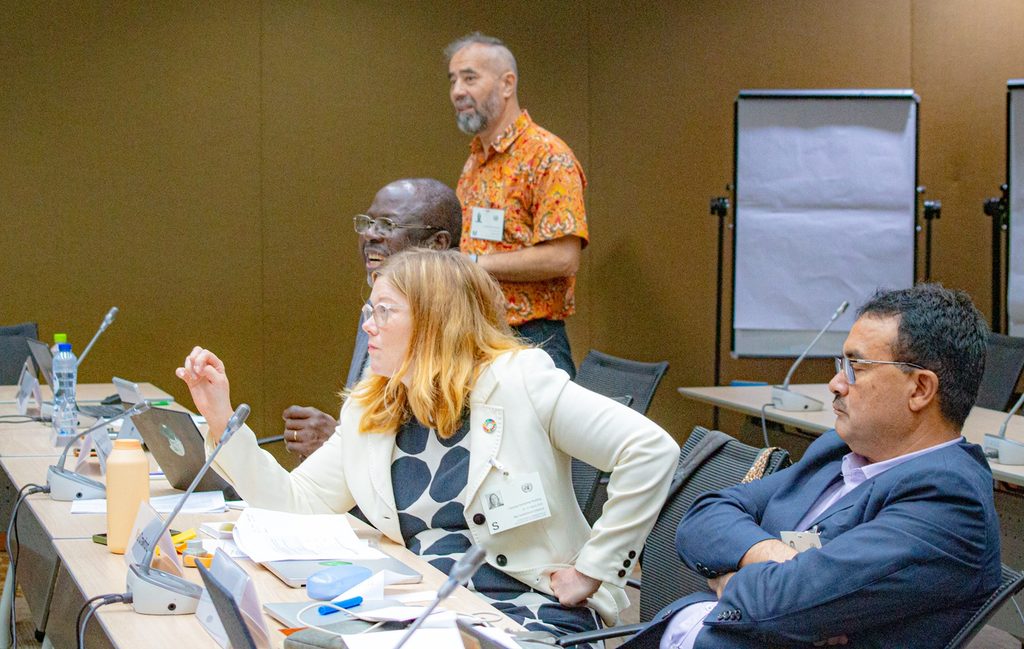
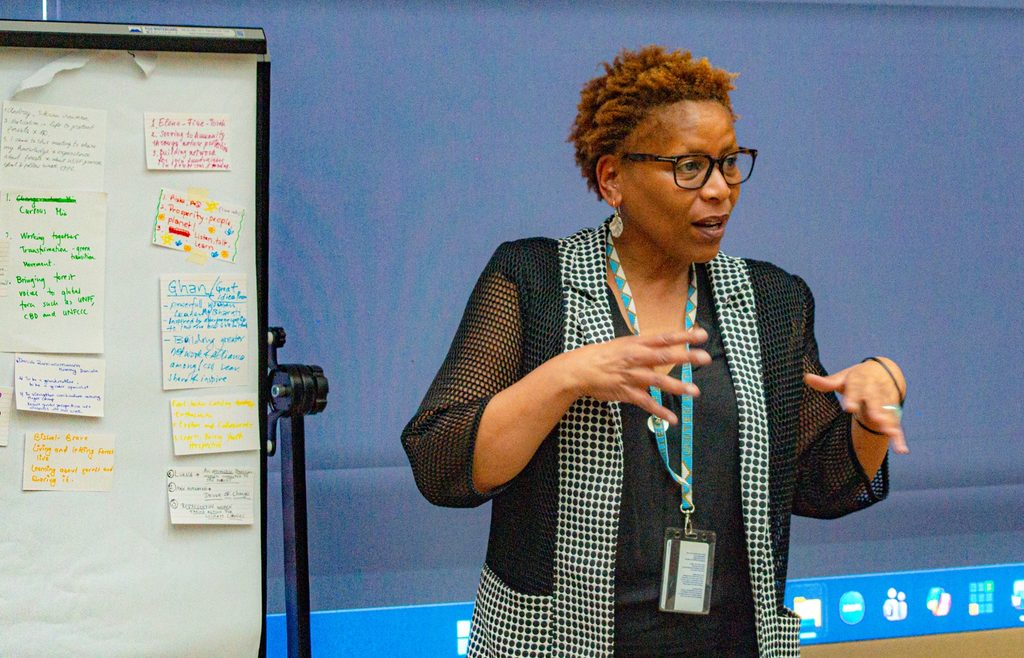
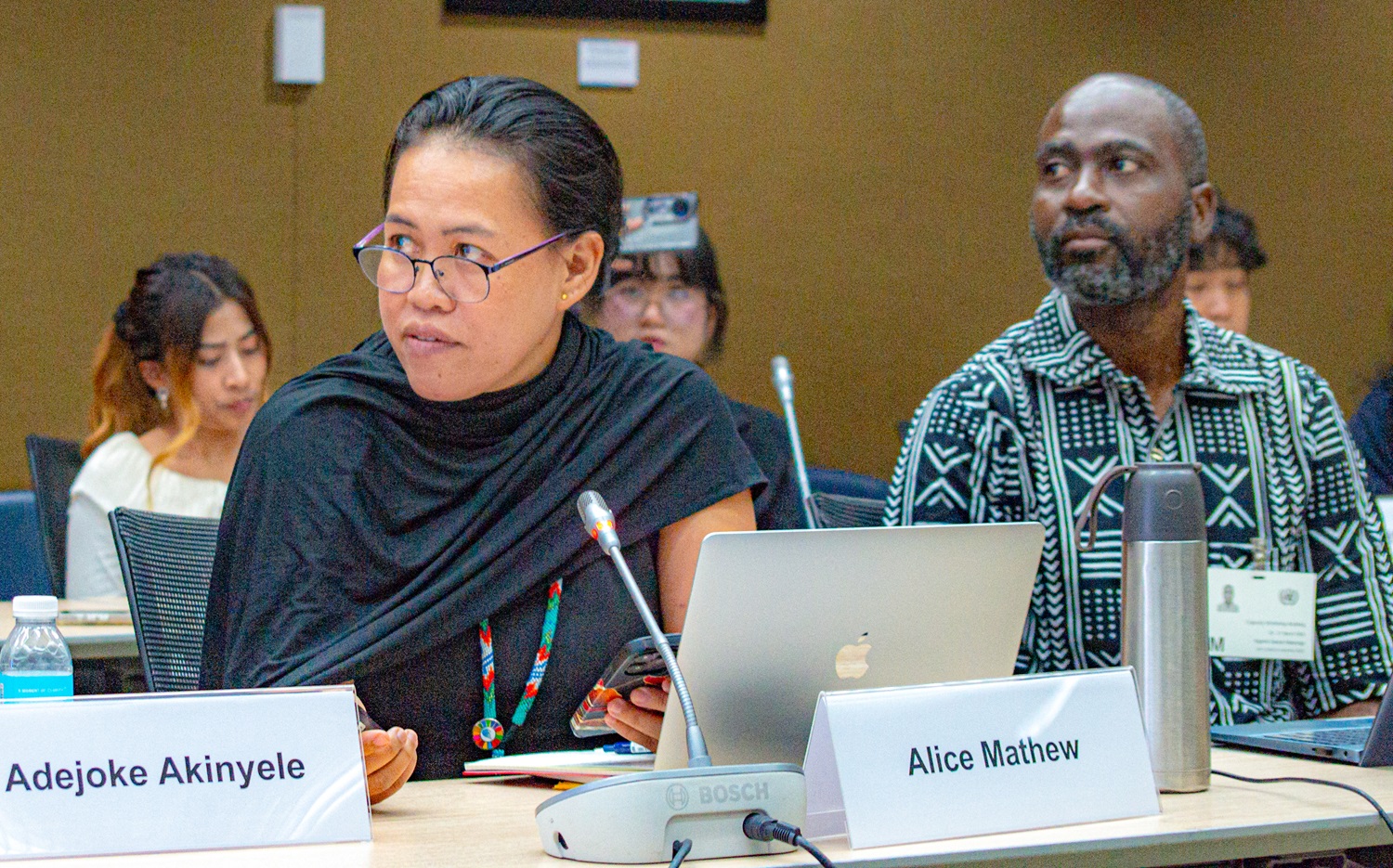
Working moments of the UNFF Major Group meeting in 2026
Forests are more than natural resources: they are living ecosystems, the foundation of countless livelihoods, and an essential part of our shared natural heritage. Protecting them means investing in biodiversity, resilient communities, and the well-being of present and future generations.