
I have been participating in the North American Breeding Bird Survey (BBS) since 2015. This initiative is coordinated in Canada by Environment and Climate Change Canada’s Canadian Wildlife Service. The responsible officer from CWS send out instructions and BBS kits to all involved volunteers together with volunteer agreement form. I began by surveying Route 051 in the Whitney area, within and around Algonquin Provincial Park. A few years later, I added Route 350 in the Vennacher area, located in the Madawaska River Valley and extending into the Lower Madawaska River Provincial Park.
These two routes represent remarkably different landscapes. Biogeographically, the Whitney route lies within the southern Boreal Shield, where the bird community is characteristic of Canada’s boreal forests. In contrast, the Vennacher route is situated in the Mixedwood Plains, a landscape of rolling hills, forests, wetlands, and farmland that supports many of the bird species commonly found around Ottawa and throughout Southern Ontario.
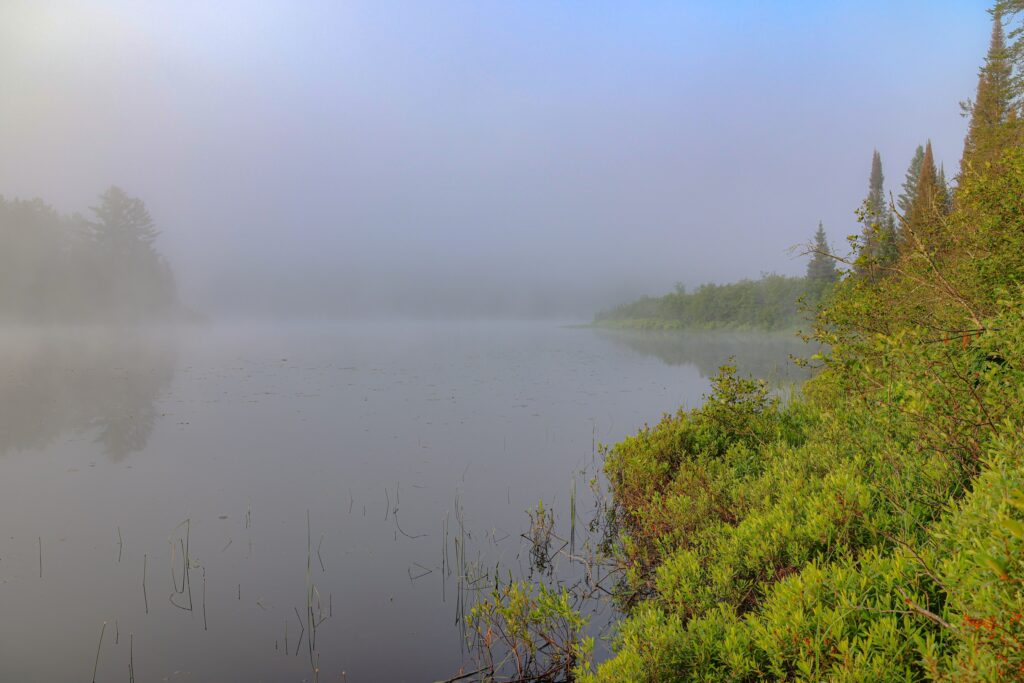
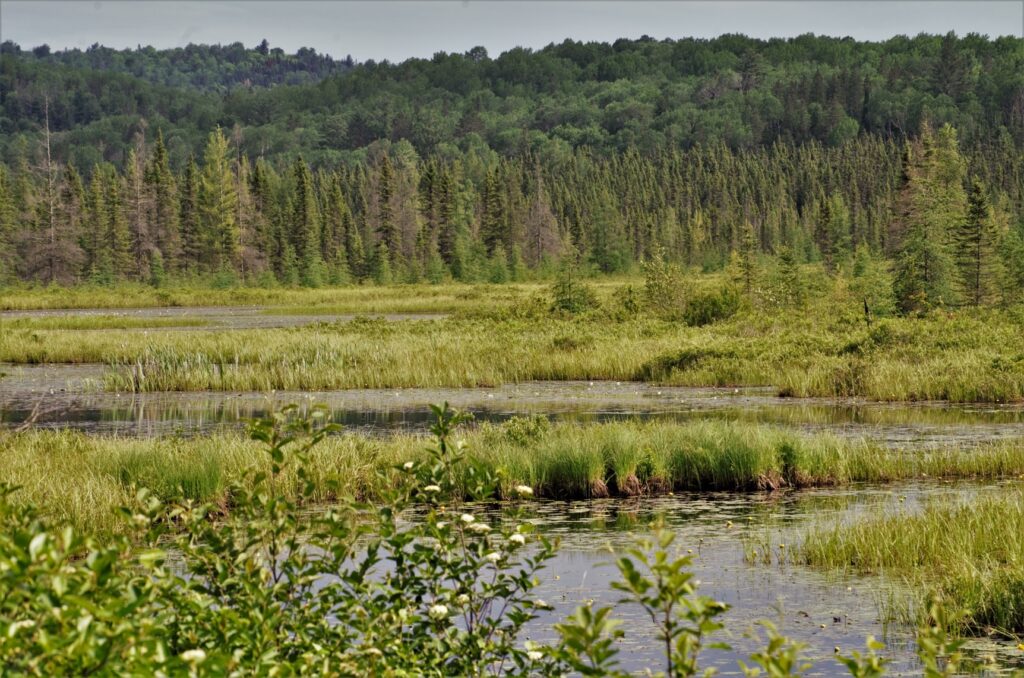
Mixedwood Plains and Boreal Forest in Ontario
Each year, I invite assistants to join the surveys. Having a second observer is important not only for safety but also because I enjoy sharing my knowledge and passion for birds and Canadian forests. This year, my assistant on the Whitney route was a talented wildlife photographer and a member of the Canadian Parks and Wilderness Society – Ottawa Valley Chapter, whom I met through the annual CPAWS-OV Art Camp on the Dumoine River. My assistant on the Vennachar route was an enthusiastic member of Ottawa’s Russian-speaking community who has participated in several nature hikes and birdwatching excursions that I have organized over the past few years.
The Breeding Bird Survey is conducted once each year during the peak of the nesting season. Because spring migration was delayed this year, with many migrants still arriving in early June, I scheduled the surveys for June 16 and 21 after carefully watching the weather forecast. Calm mornings without heavy rain or strong winds provide the best conditions for detecting birds by sight and sound.
Each survey route consists of 50 stops spaced 800 metres apart along a 39-kilometre road. I still remember my first years of conducting BBS counts, when I relied on a handheld GPS to locate every stop. Today, the process is much easier. By loading all stop coordinates into Google Maps, my phone guides me directly to each survey point.
Because Algonquin Park is several hours from Ottawa, I usually arrive late in the evening, sleep for only a few hours, and get up around 3:30 a.m. to reach the first stop before sunrise. Surveys typically begin between 4:45 and 5:00 a.m. For the Vennacher route, I leave home around 3:00 a.m. Fortunately, both of my assistants were true early birds, and we began each survey right on schedule.
When I first joined the Breeding Bird Survey, observers spent five minutes listening at each stop. The survey often lasted well over five hours, by which time bird activity had already begun to decline. Today, the standard count lasts three minutes per stop. During that short time, observers must identify every bird seen or heard while recording each species using standardized four-letter codes—for example, REVI for Red-eyed Vireo and ALFL for Alder Flycatcher. We also record changes in habitat and road conditions. Working with an assistant makes this demanding task much easier.
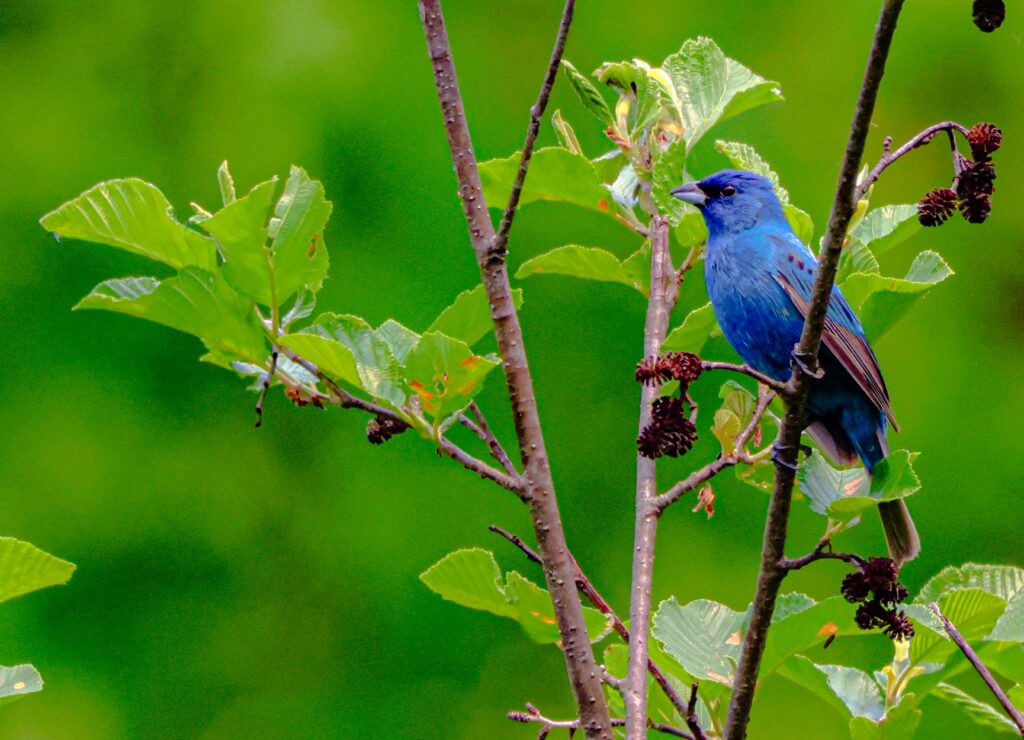
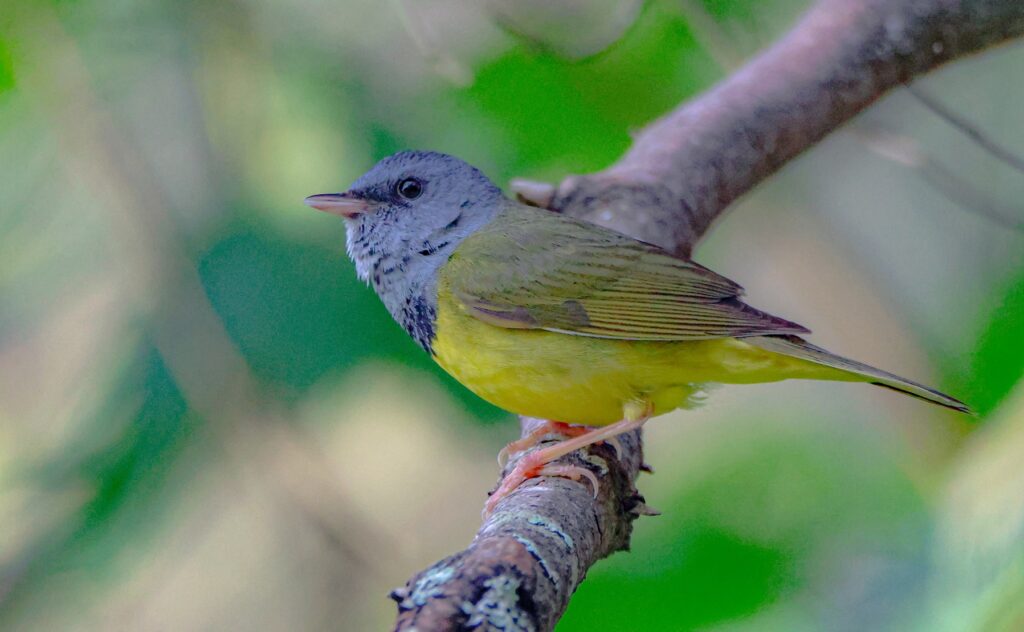
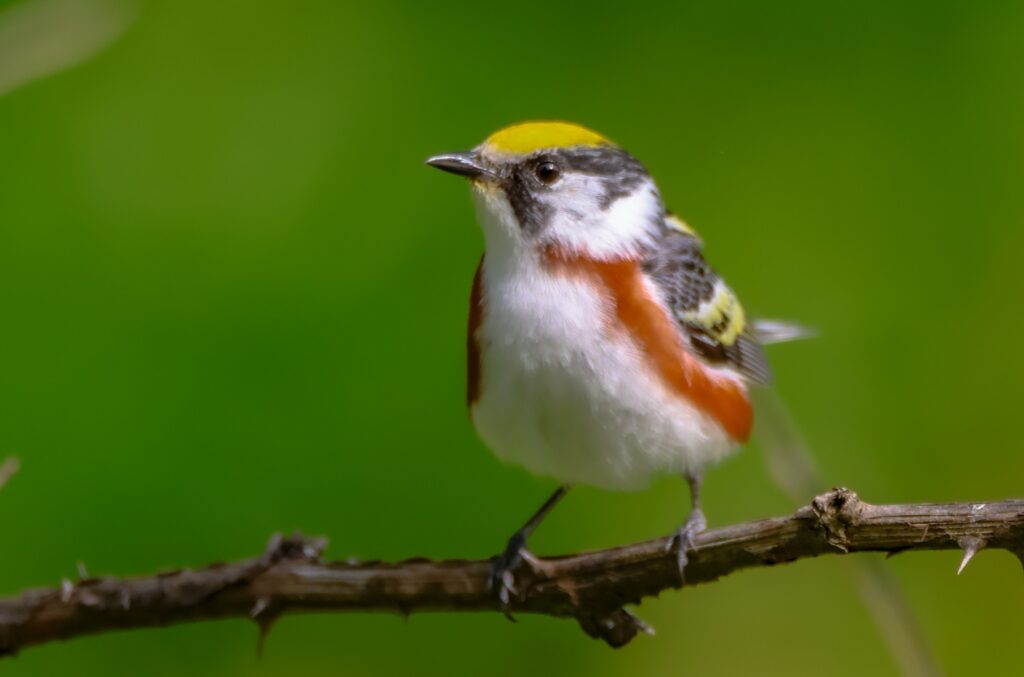
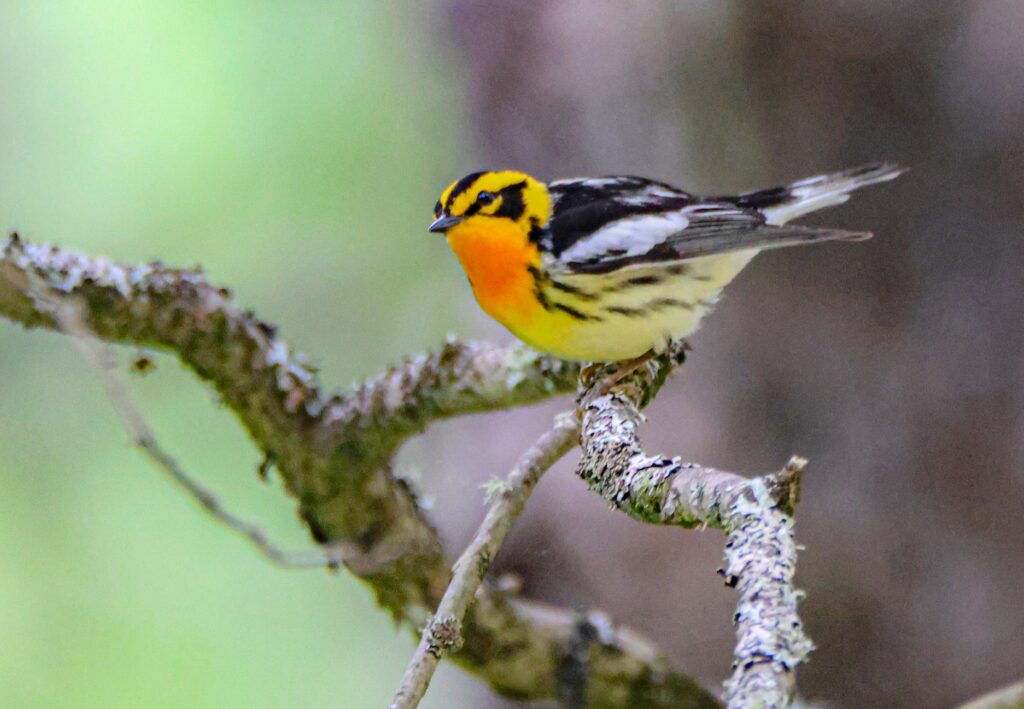
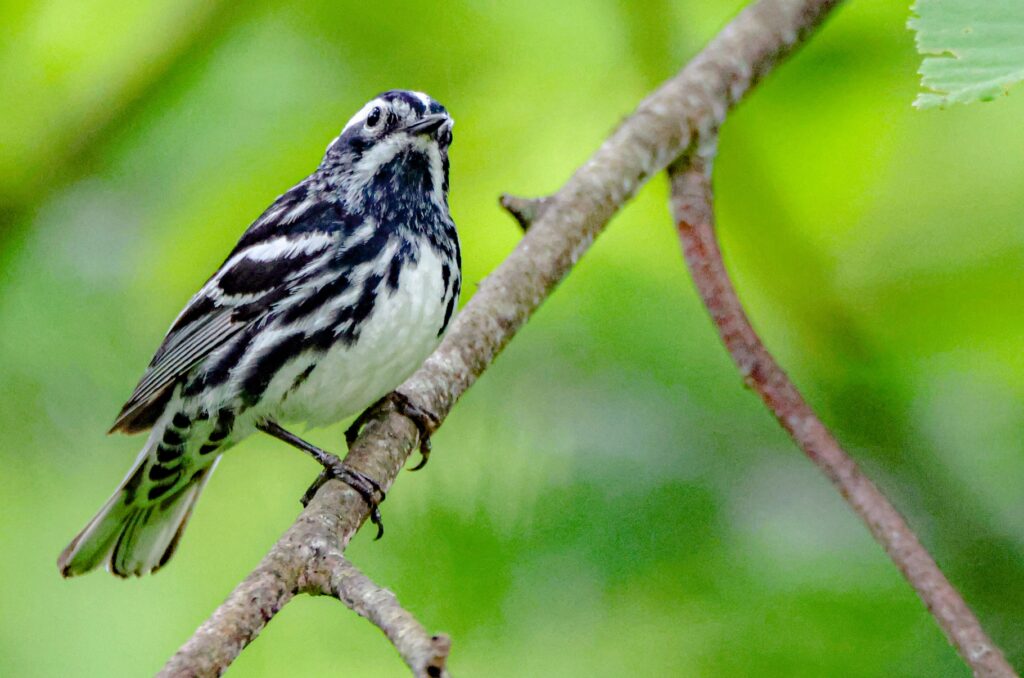
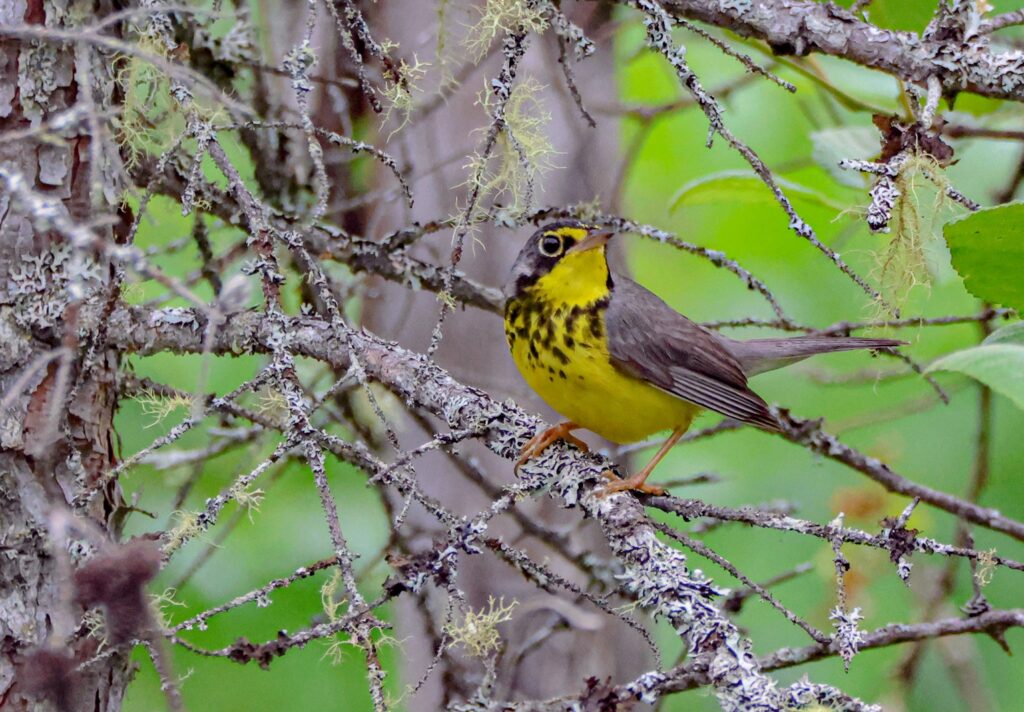
During survey, observers usually do not see these beautiful birds, but listen their calls and songs from the woods at each stop
This year, we completed the Whitney survey at approximately 10:05 a.m. and the Vennachar survey around 10:40 a.m. Modern technology has also changed bird monitoring. In 2015, observers relied almost entirely on their own knowledge of bird songs and calls. Today, the Merlin Bird ID app has become an excellent tool, particularly for new participants. Nevertheless, field experience remains essential. Merlin is very effective at detecting nearby birds but often misses individuals singing farther away or those vocalizing only briefly. In my experience, it typically detects about 50–70% of the species present around a survey stop. Careful listening and a solid knowledge of bird vocalizations remain indispensable skills.
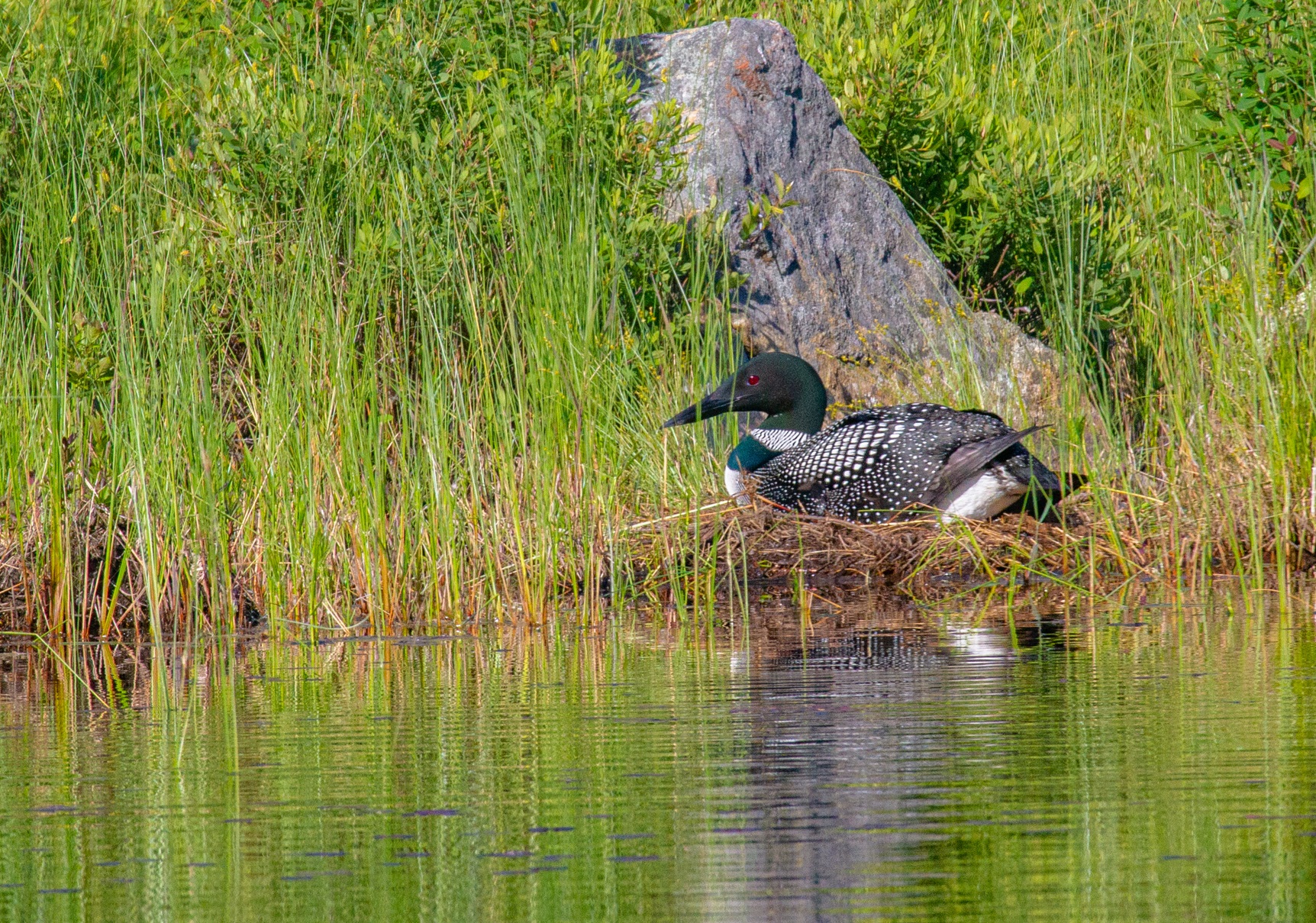
This year we recorded 78 bird species along the Whitney route and 82 species along the Vennacher route. It was especially rewarding to observe the Common Loons that have nested on the same lake for the fifth consecutive year, to see a Ruby-throated Hummingbird perched on the familiar utility wires near the final stop, and to hear the rasping calls of young Barred Owls hidden in the surrounding forest. We also noted several species that had not been recorded previously on these routes. Birds associated with open habitats and mixed forests continue to expand northward, often following road corridors and settling near cottages and small communities. Long-term monitoring helps us understand whether these observations represent natural fluctuations or long-term changes in bird distribution and abundance.
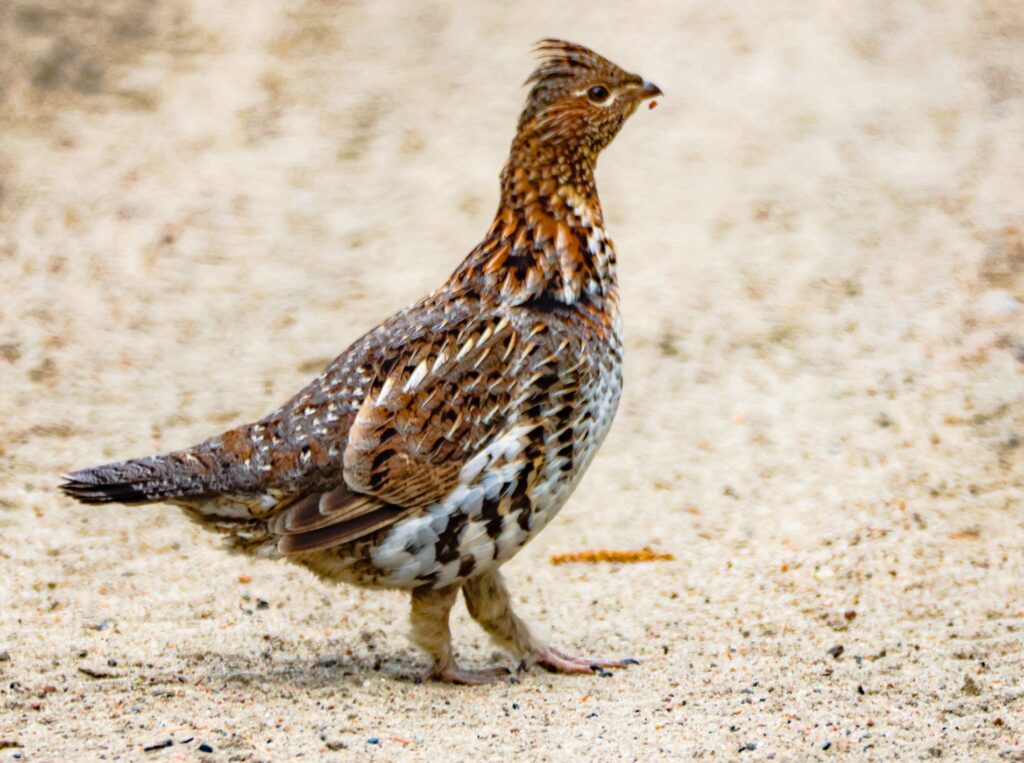
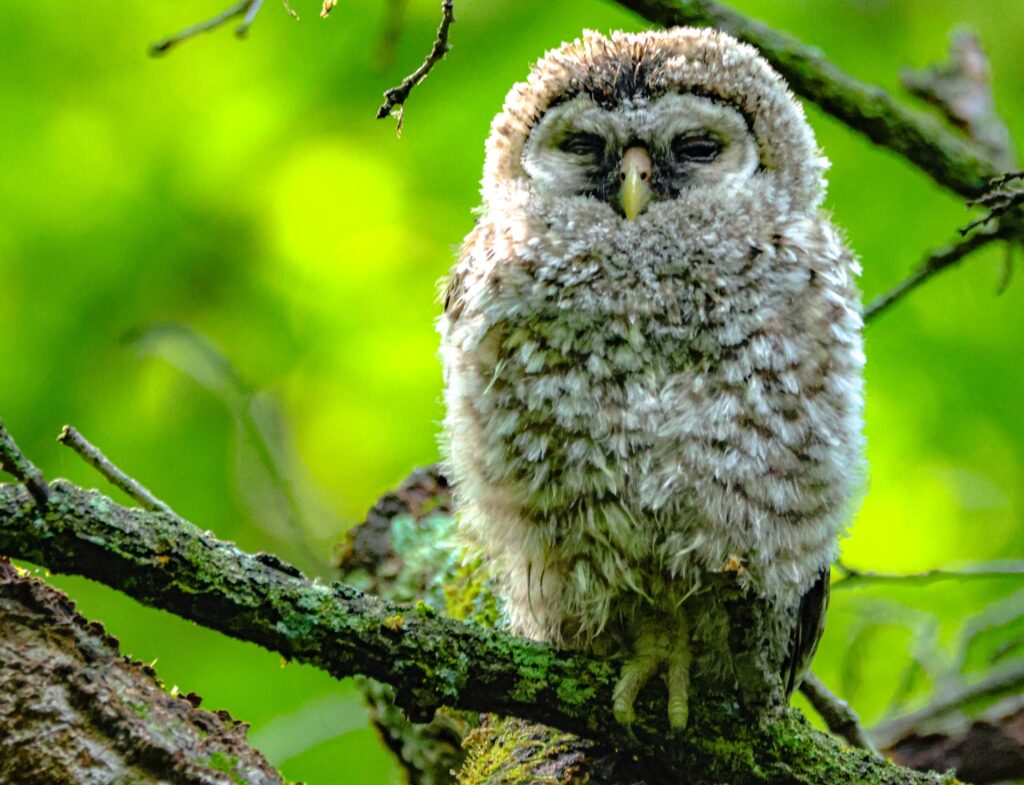
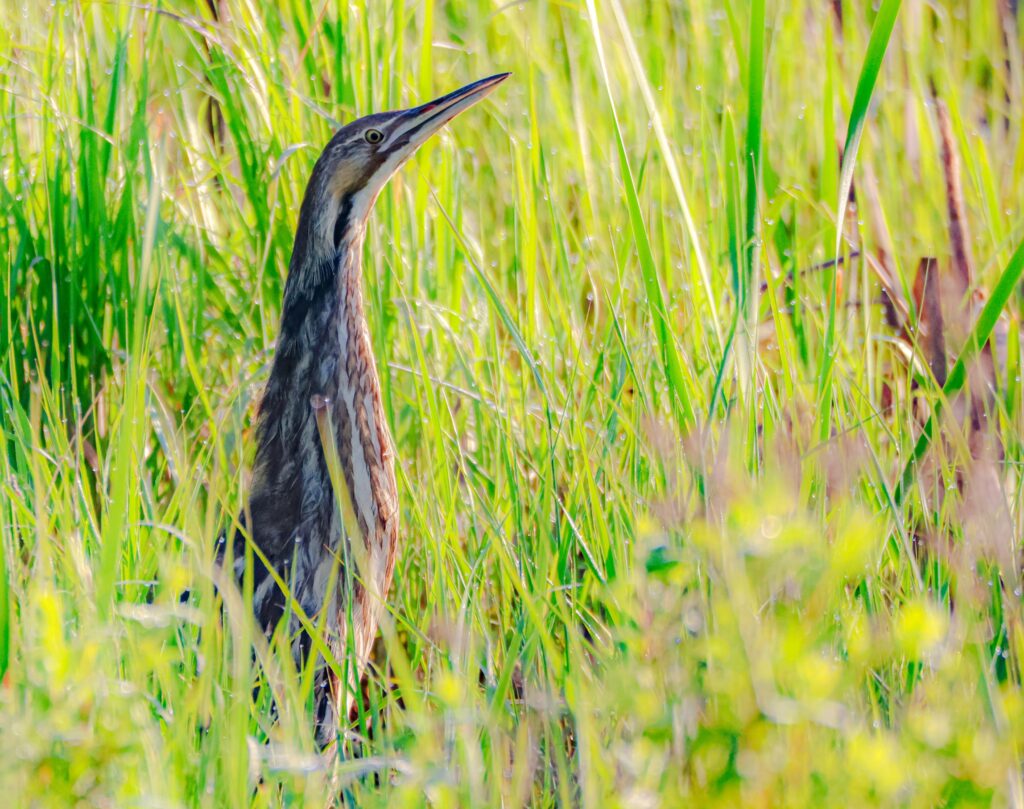
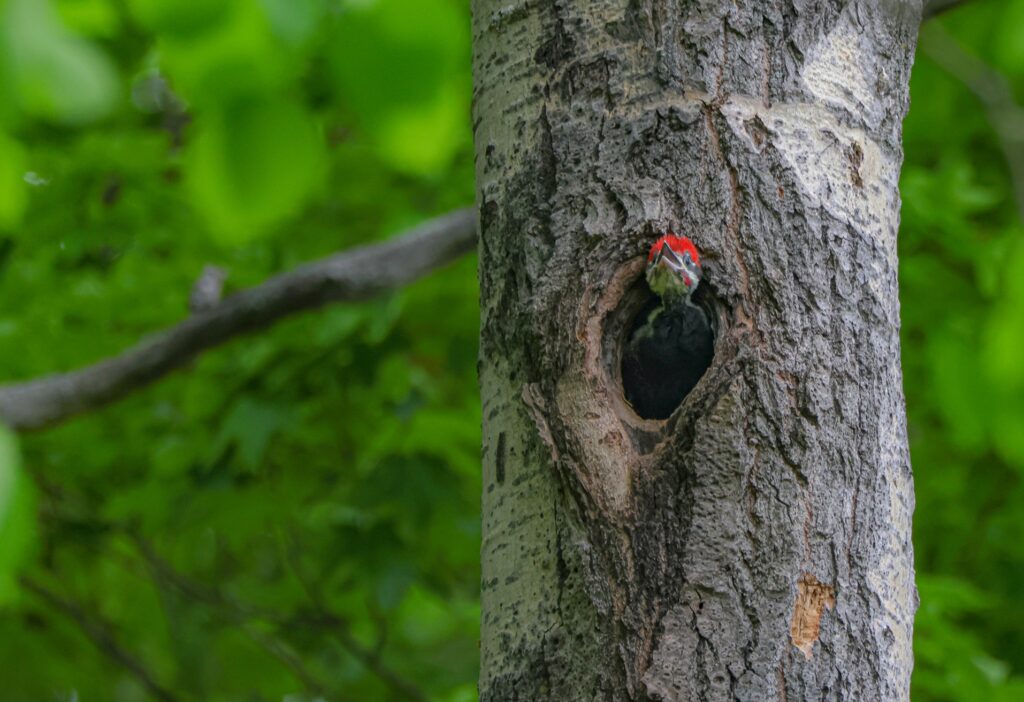
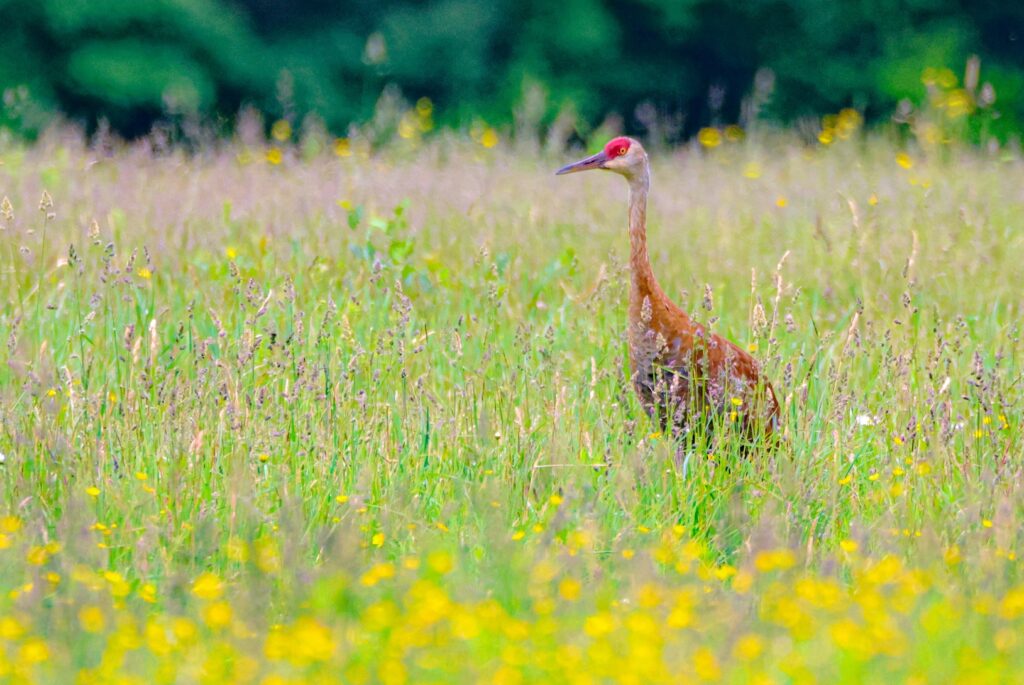
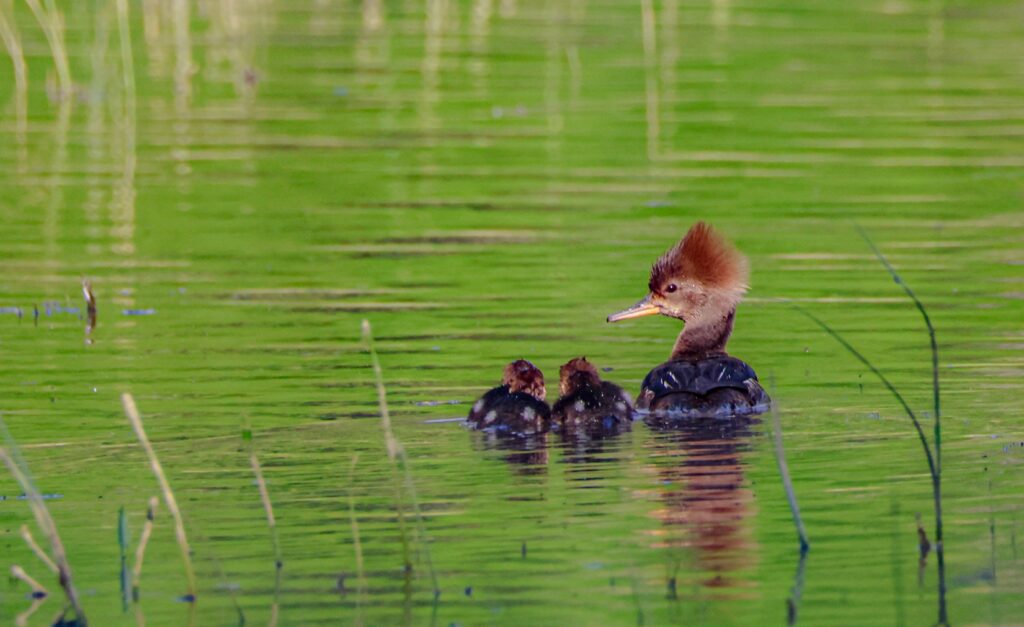
Many birds are spotted during the survey by chance: either when they cross a road, when chicks (usually woodpeckers or owls) peep from the woods, or when they find themselves in ponds, open clearings, or wetlands
As a professional zoologist and ornithologist, I deeply appreciate the value of the Breeding Bird Survey. Beyond providing estimates of population size and species abundance, the survey reveals long-term trends associated with climate change, forest succession, insect outbreaks, wildfires, human development, and other environmental changes. Birds respond quickly to changes in habitat quality, making them excellent indicators of ecosystem health. Conducted annually across Canada, the United States, and Mexico since 1966, the Breeding Bird Survey has become one of the world’s most important sources of information on bird population trends, species richness, and biodiversity at local, national, and continental scales.
During the surveys themselves, there is little time for photography or wildlife watching. Once the counts are finished, however, we often take the opportunity to explore nearby areas in Algonquin Provincial Park and Lower Madawaska River Provincial Park. Those moments frequently bring unforgettable wildlife encounters. In 2023, for example, we watched a female Black Bear with two cubs feeding beside the road. The cubs climbed a black walnut tree and happily munched on fresh leaves while their mother patiently gathered the leaves that fell to the ground. On other occasions, we have encountered Moose, White-tailed Deer, River Otters, Least Weasels, and, of course, countless beautiful birds that make Canada’s forests and wetlands such extraordinary places to explore.
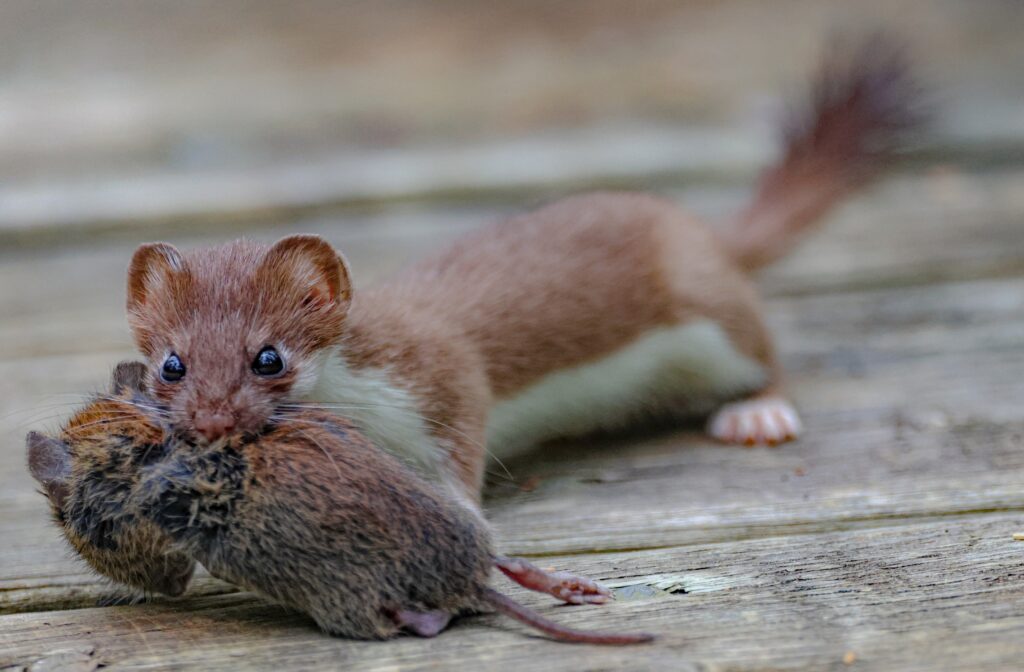
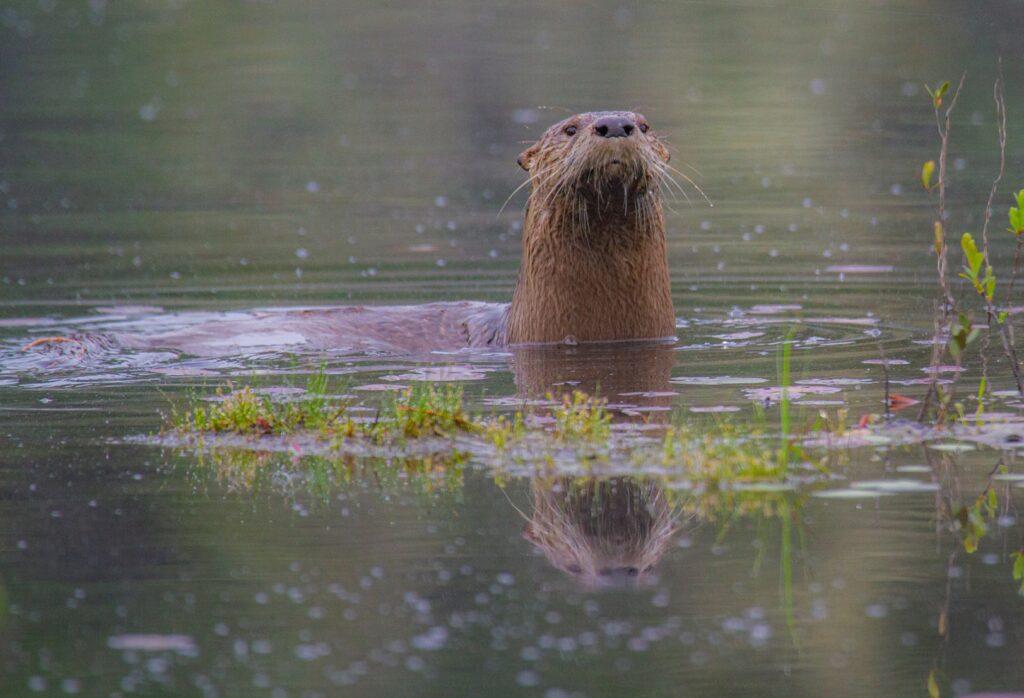
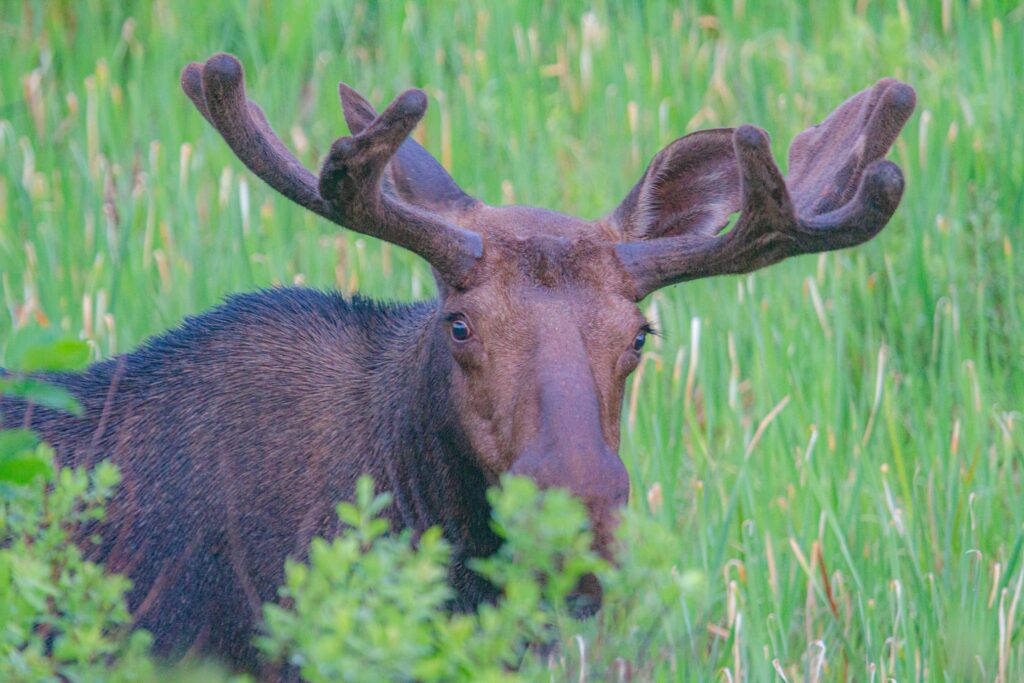
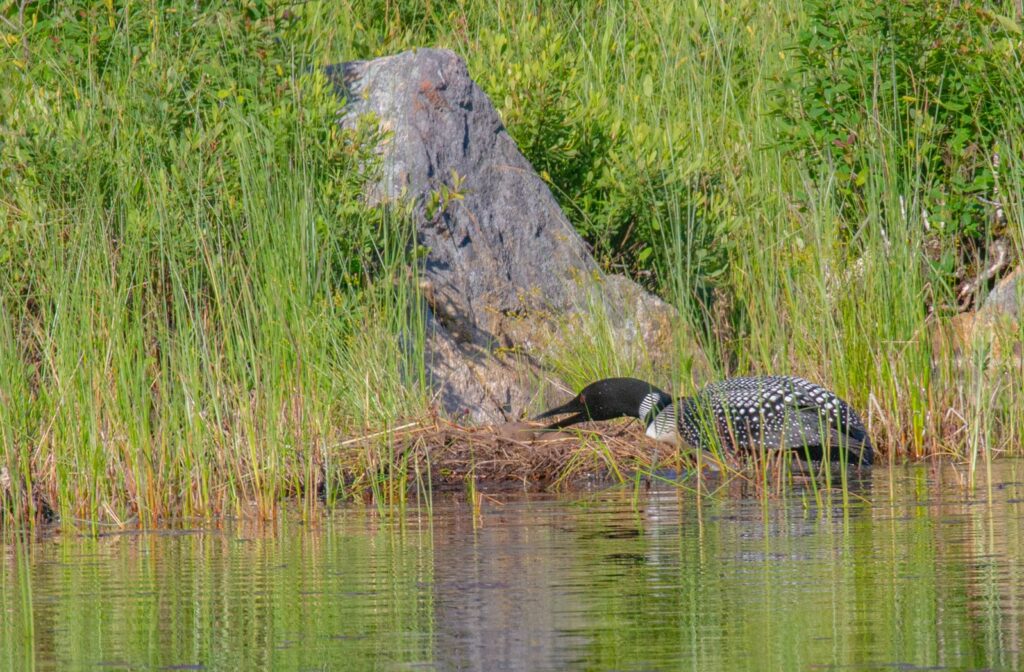
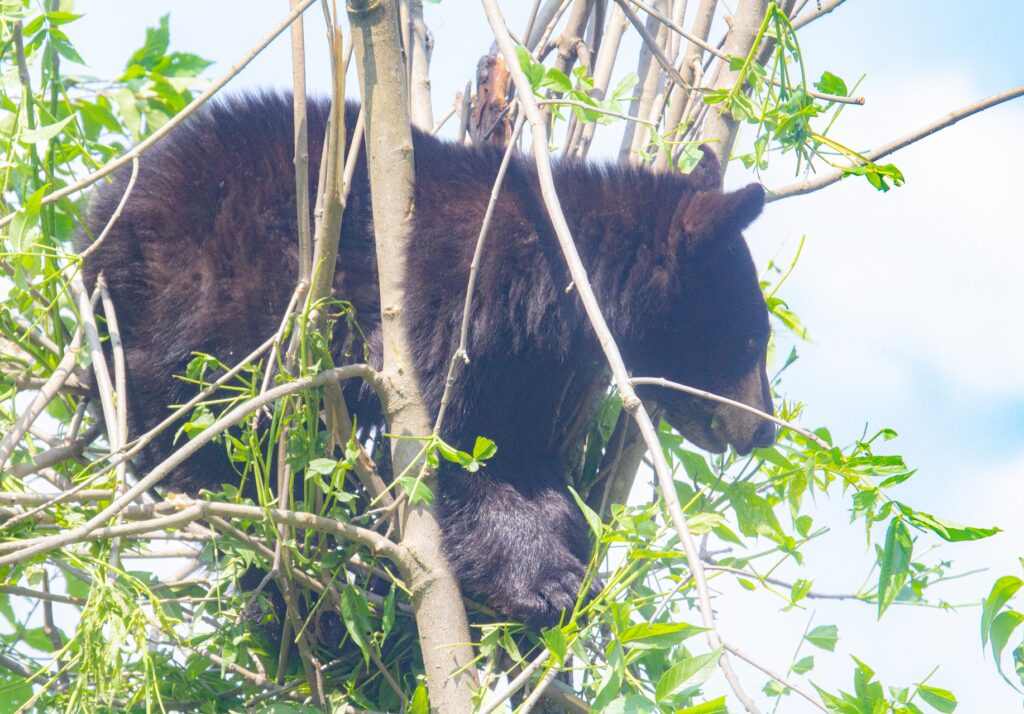
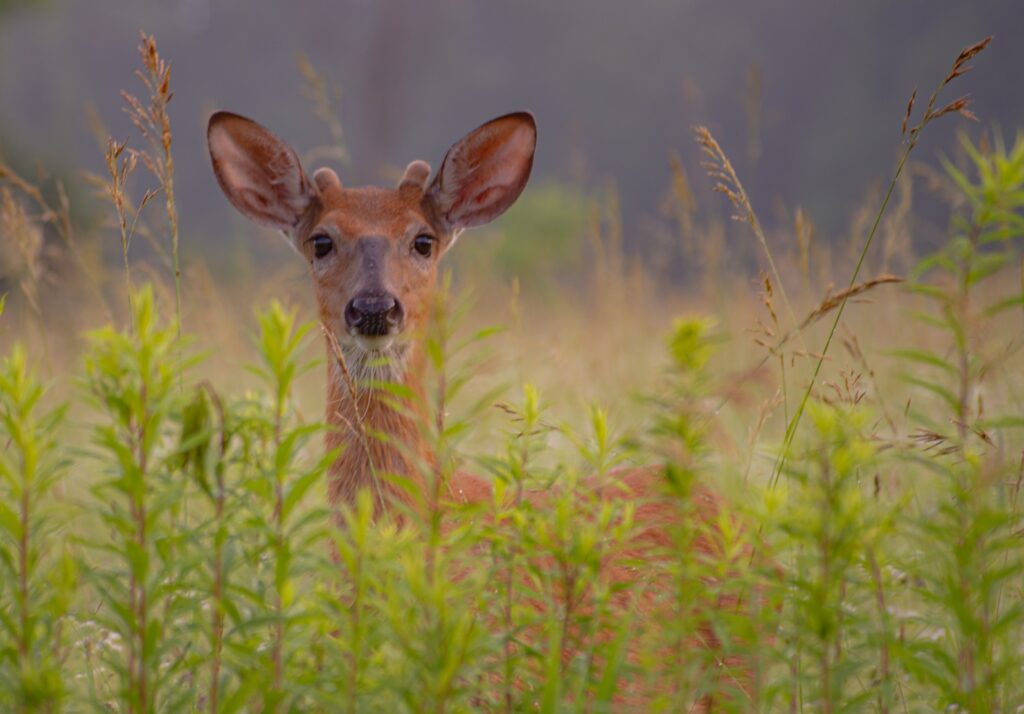
The reward for BBS participants is the unique opportunity to observe wildlife in its natural habitat
Every Breeding Bird Survey reminds me that conservation begins with careful observation. By listening to the forest at dawn, year after year, we build the knowledge needed to understand how our ecosystems are changing—and how best to protect them for generations to come.