
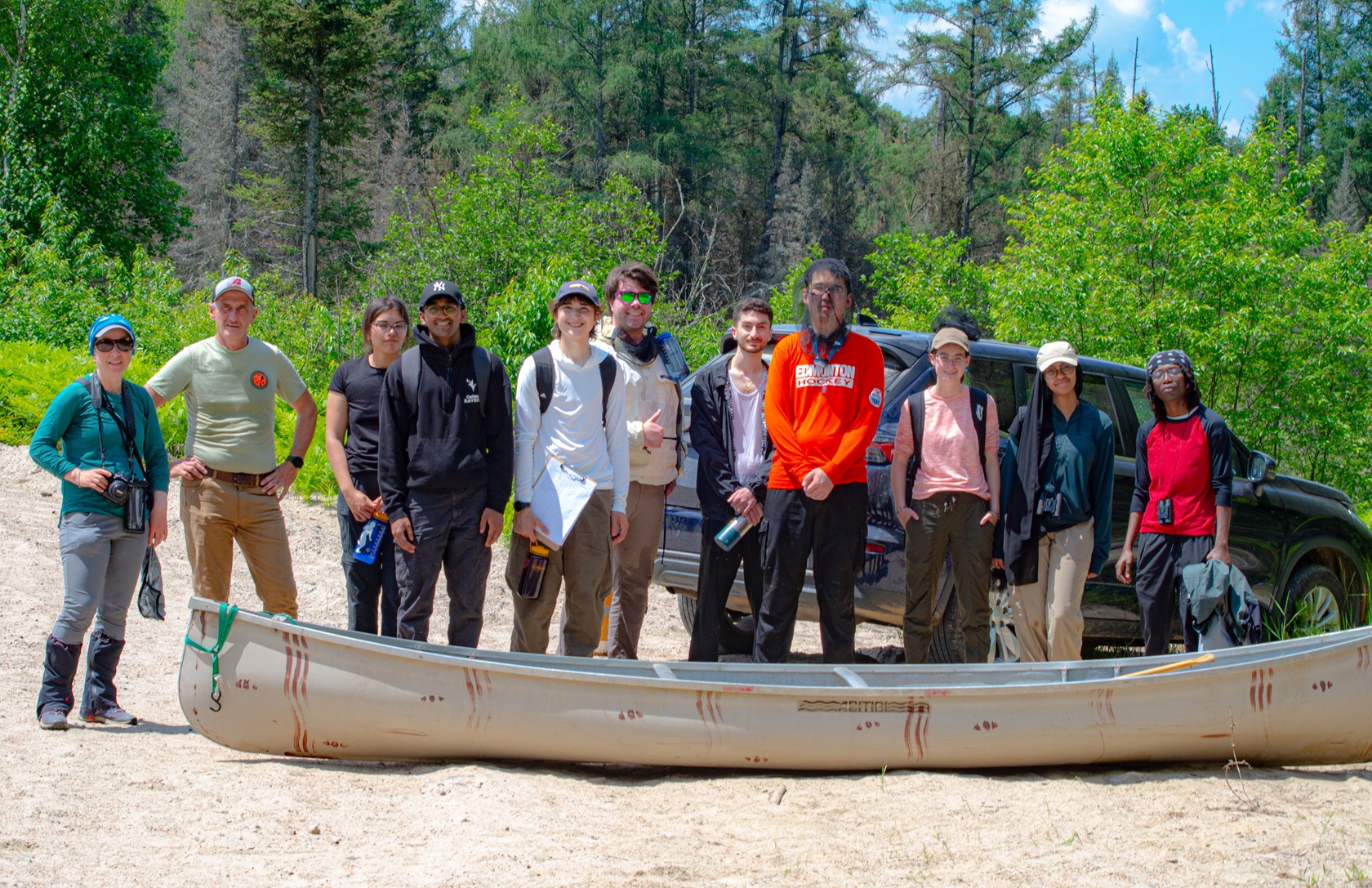
A BioBlitz usually lasts only 24–48 hours, but even within this short period, participants can discover and record a surprising diversity of life. Every observation contributes to a better understanding of local ecosystems—and sometimes unexpected species can be found! A few hours of observation, curiosity, and teamwork can open a whole new window into the biodiversity of a place.
In 2016, the Canadian Parks and Wilderness Society – Ottawa Valley (CPAWS-OV) organized the first community-led biodiversity inventory of the Dumoine River watershed. The initiative combined scientific observation, environmental education, youth engagement, and public awareness to explore one of the most remarkable remaining wilderness landscapes in southern Quebec. The Dumoine River is the last undammed tributary of the Ottawa River in southern Quebec. Flowing through a vast and largely intact forest landscape, the watershed forms an important ecological connection between the forests of Algonquin Provincial Park, the Ottawa Valley, and the boreal forests to the north. The region also represents one of the largest remaining areas of relatively unfragmented boreal forest in southern Quebec and provides an important corridor for wildlife. At the time, however, relatively little biological information was available for much of the area, despite its recognized conservation value.
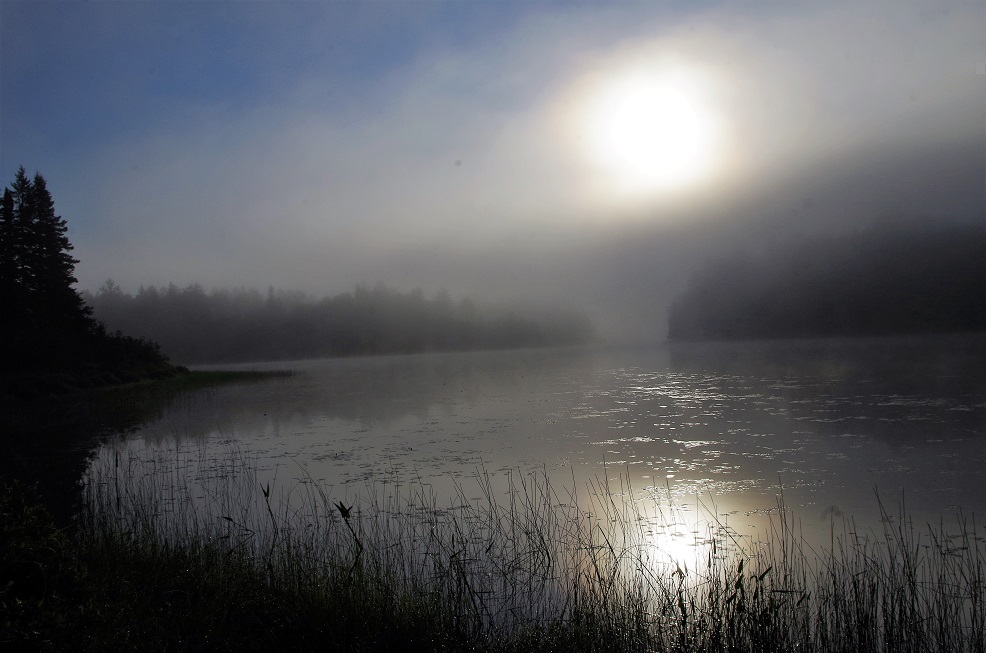
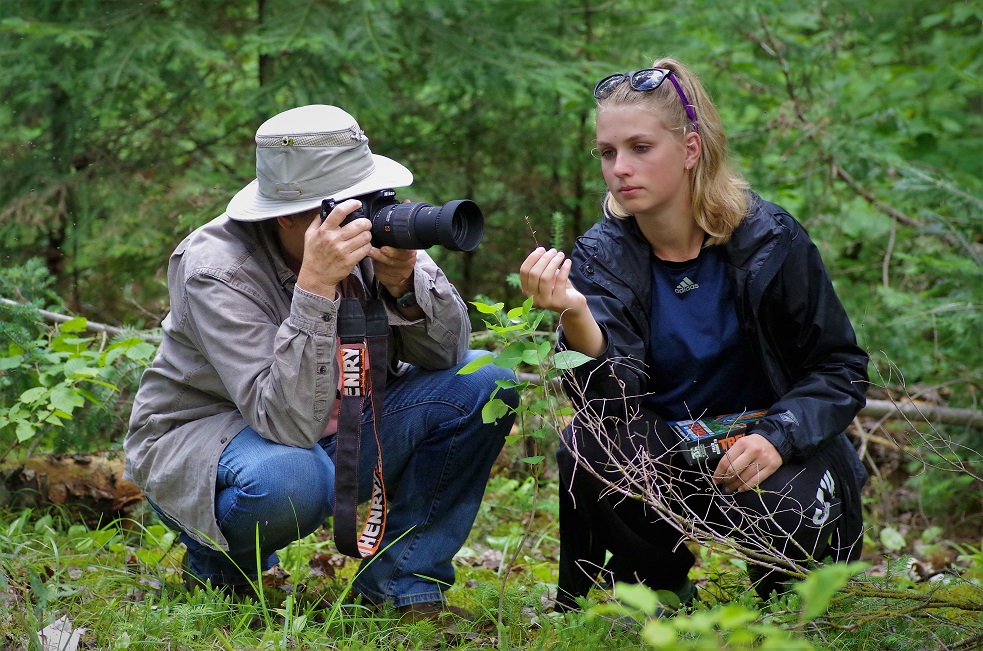
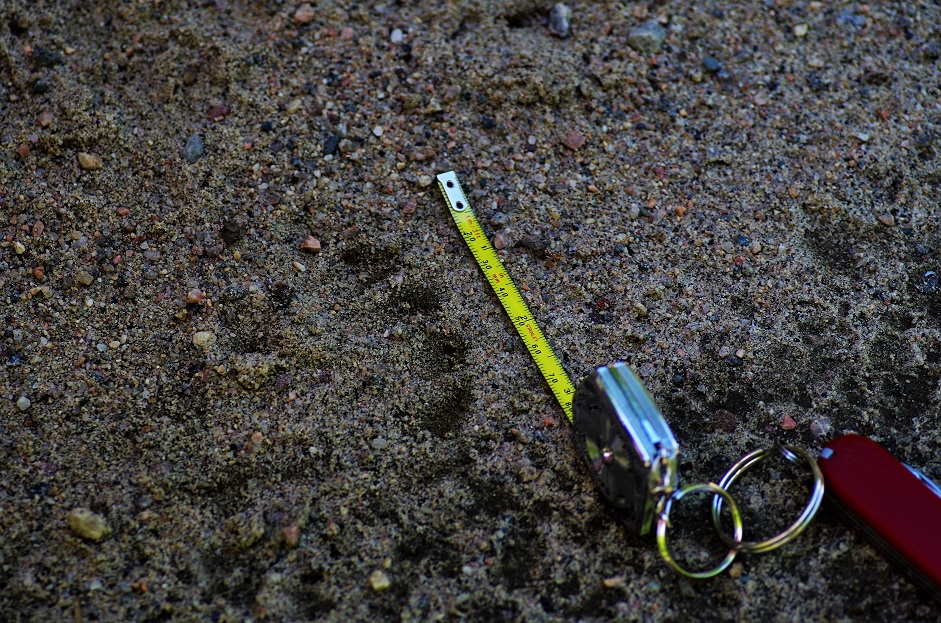
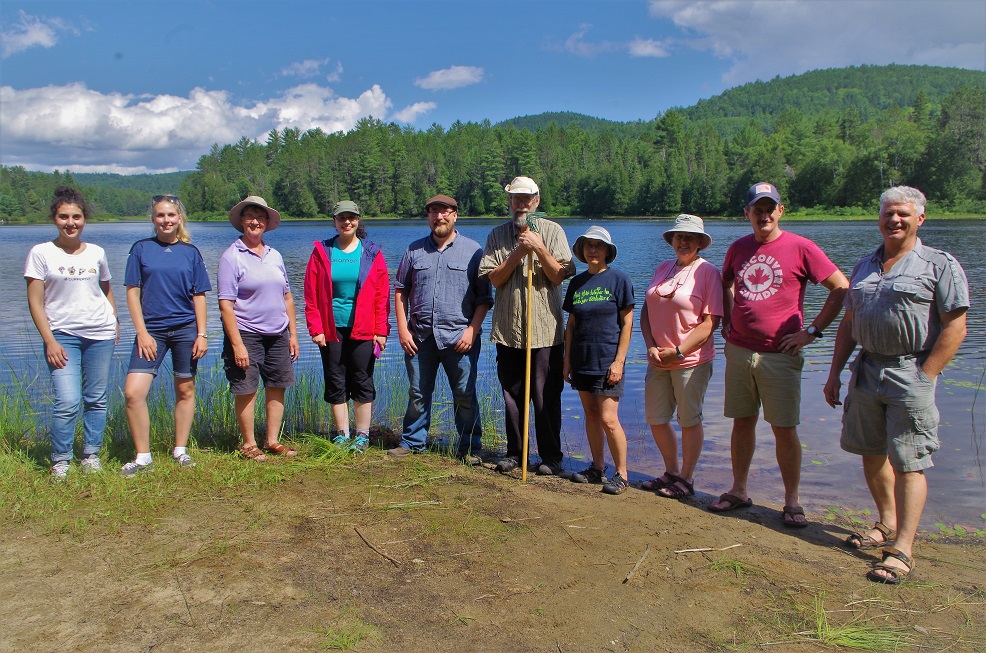
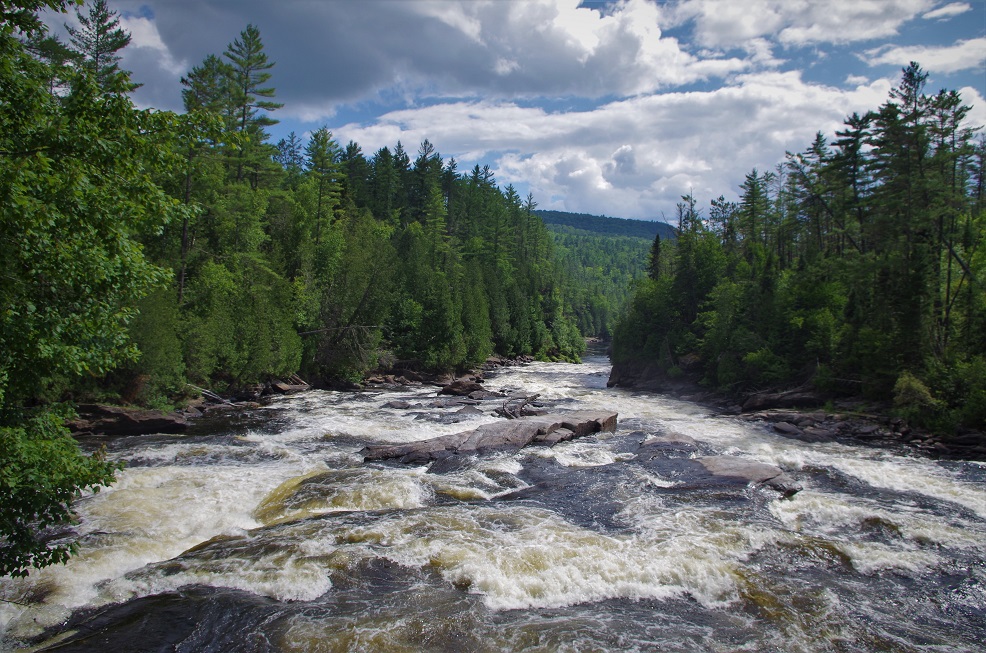
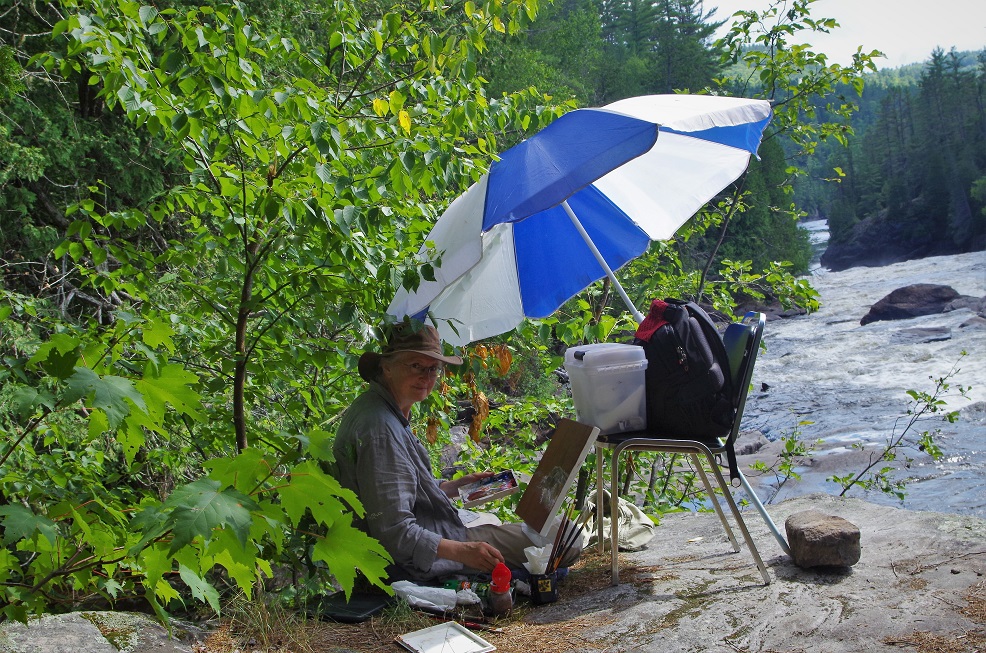
Moments from July and August 2016 bioblitzs
The 2016 BioBlitz was therefore designed not only to collect baseline information on biodiversity, but also to bring people into the landscape and help them experience firsthand why the Dumoine River deserved protection. Two BioBlitz events, held in July and August, brought together scientists, naturalists, students, recent graduates, and other nature enthusiasts. Participants explored the river and surrounding forests, collected data, photographed wildlife, learned field survey techniques, and shared their experiences with a wider audience.
The results were highly encouraging, especially for a first experience of this kind. Surveys conducted during four visits between spring and summer recorded 147 plant species, 42 fungi species, 46 invertebrate species, and 122 vertebrate species, including amphibians, reptiles, birds, and mammals. Nearly one thousand observations were compiled during the project, providing an important snapshot of the biodiversity of the Dumoine River landscape. Although the inventory could not cover all taxonomic groups equally, it demonstrated the remarkable richness of the area and provided valuable baseline information for future conservation efforts.
Equally important was the spirit of the campaign. For many participants, particularly young people from urban areas, it was their first opportunity to experience the Dumoine River and the surrounding boreal wilderness. They encountered beavers and muskrats in their natural habitats, found signs of bears and moose, explored aquatic ecosystems, learned to identify birds, plants, amphibians, and fungi, and experienced the challenges and rewards of fieldwork in a remote landscape. The BioBlitz became more than a biodiversity survey—it became an opportunity to build knowledge, curiosity, friendships, and a personal connection with a place worth protecting.
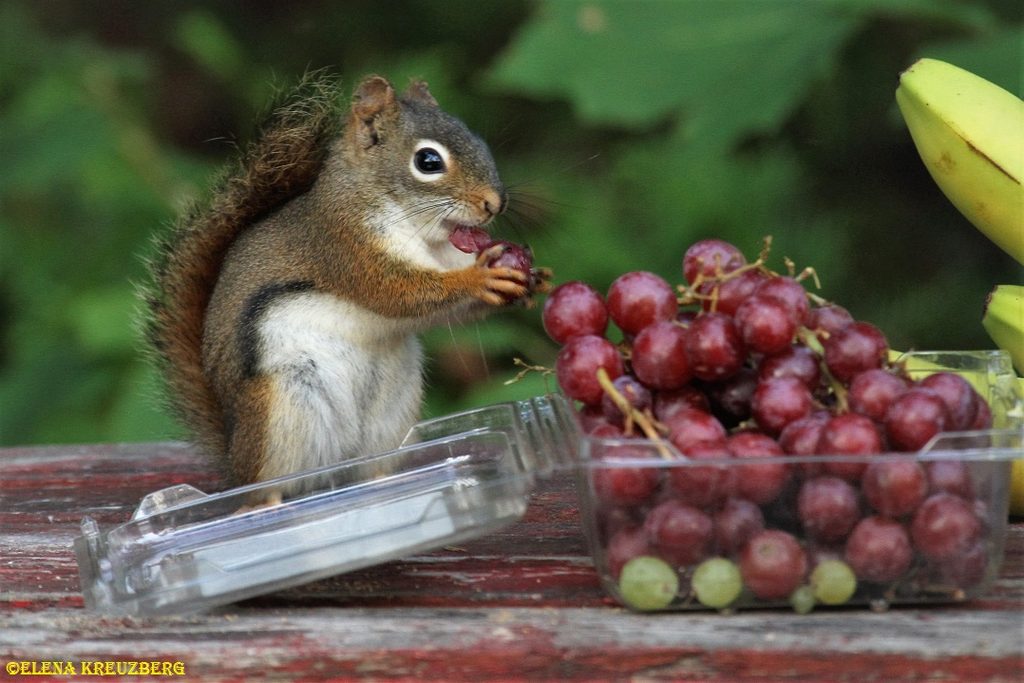
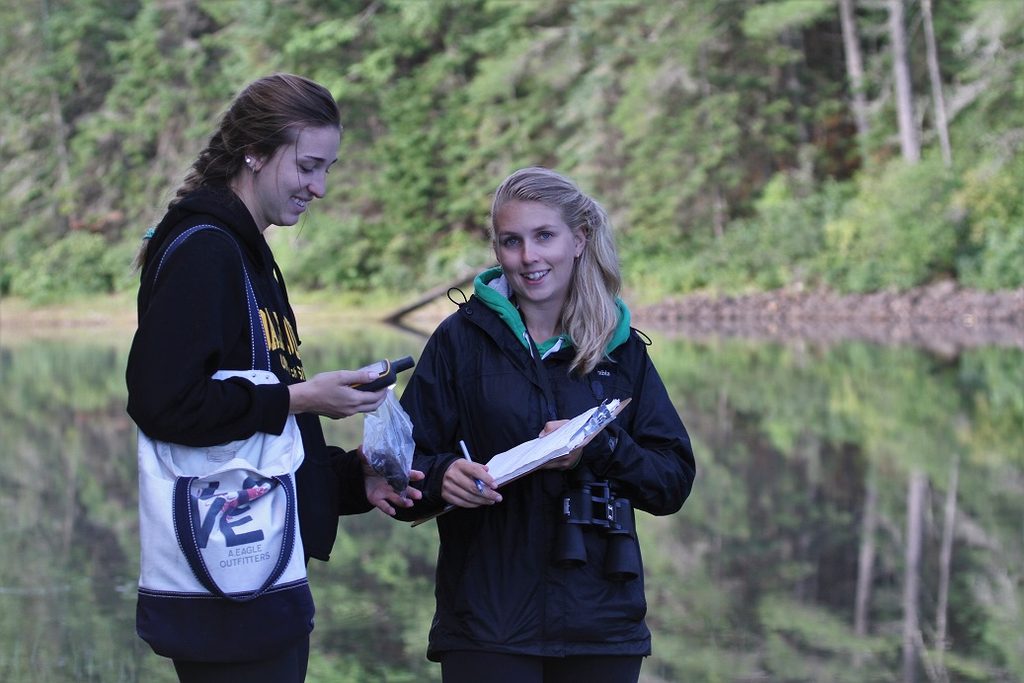
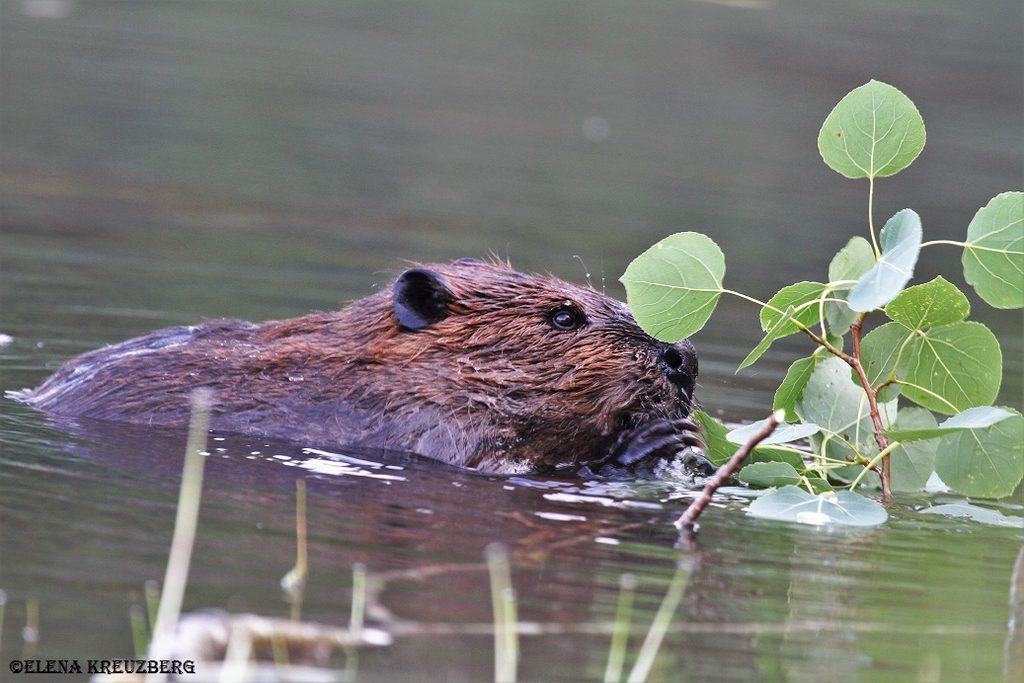
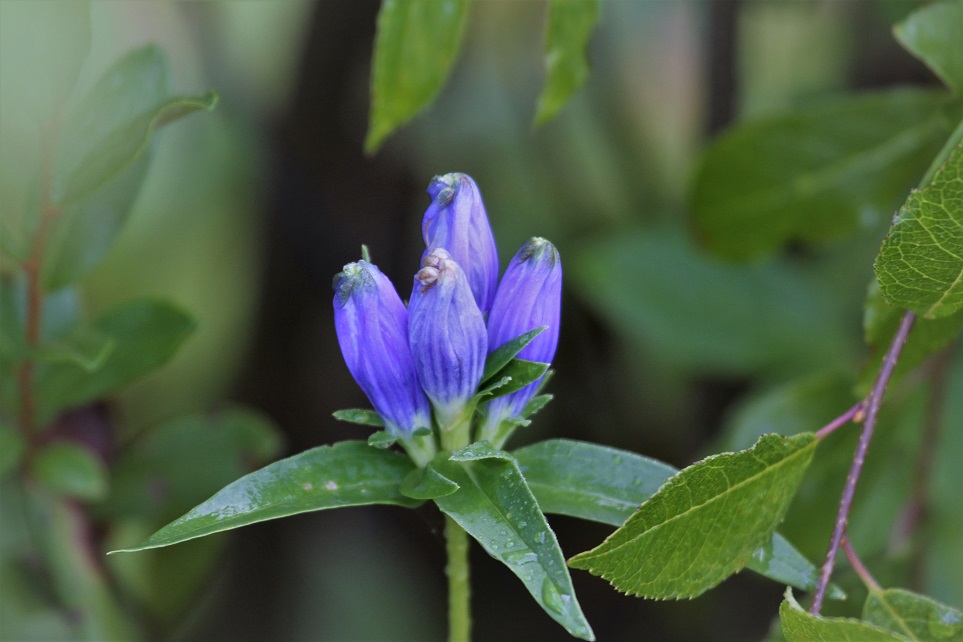
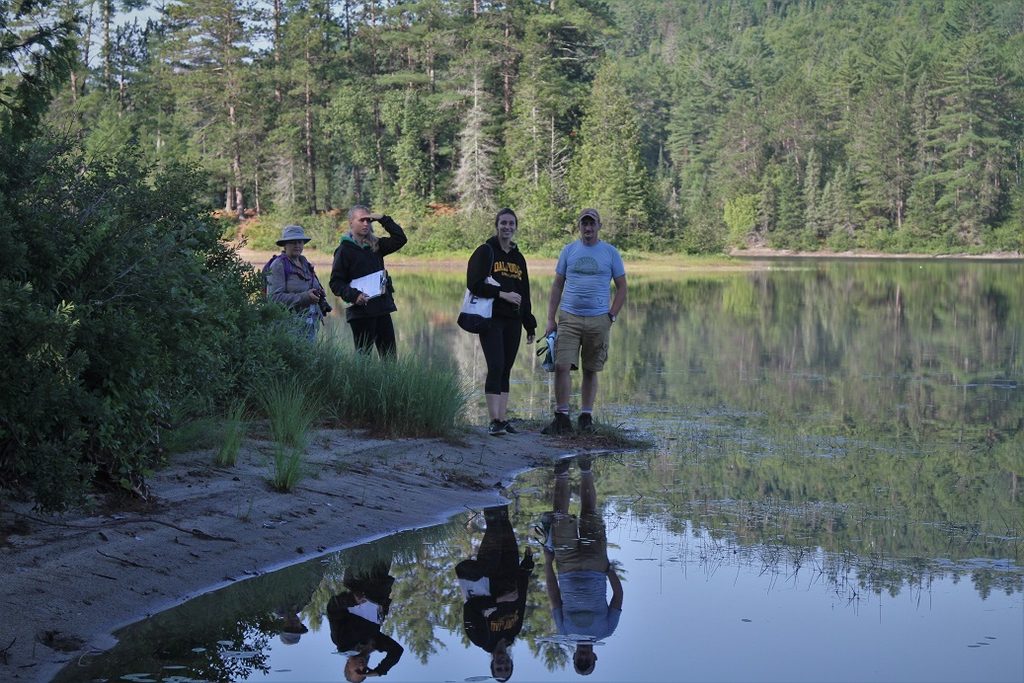
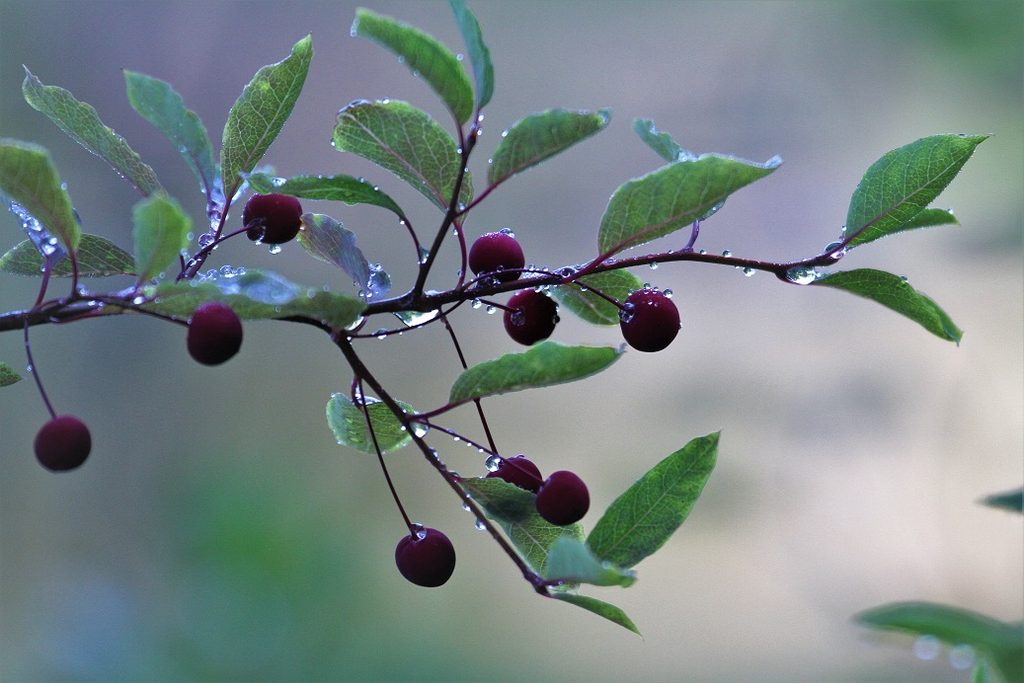
In 2016, we saw completely unafraid birds and mammals on the Dumoine River, which posed for us and didn’t try to immediately disappear.
The 2016 campaign also provided important lessons for the future, from the need for early planning and stronger partnerships with specialists to the logistical challenges of organizing community science events in remote areas. Most importantly, however, it demonstrated that scientific inquiry, public participation, and conservation advocacy can work together. The BioBlitz helped launch a broader conversation about the ecological value of the Dumoine River and the importance of maintaining its wilderness, biodiversity, and ecological connectivity for future generations.
Community-based efforts to protect the Dumoine River began in the early 2000s, with CPAWS Ottawa Valley playing a leading role in building public awareness and support for the conservation of this remarkable wilderness landscape. After many years of advocacy and collaboration, these efforts culminated in an important achievement: in 2023, an area of 1,776 km² was officially designated as a protected area, now known as the Réserve aquatique de la Rivière-Dumoine.
Ten years after the first community BioBlitz, a new generation returned to the Dumoine watershed. In 2026, the Nature for Everyone, Everywhere! program brought together young people from a variety of academic and professional backgrounds, including environmental studies, geology, political science, education, and other disciplines. The program provided an opportunity to step away from the urban environment and gain direct experience in the wilderness while exploring the Poussier River, one of the tributaries of the Dumoine River. The purpose was not only to introduce participants to the beauty and ecological importance of the area, but also to provide practical knowledge and skills that can support future involvement in conservation. Participants learned about approaches to biodiversity and ecosystem monitoring, wildlife data collection, and the use of field protocols and tools. The training also introduced modern technologies that can support environmental research and citizen science, including mobile applications for recording species observations and drones for documenting landscapes and ecosystems.
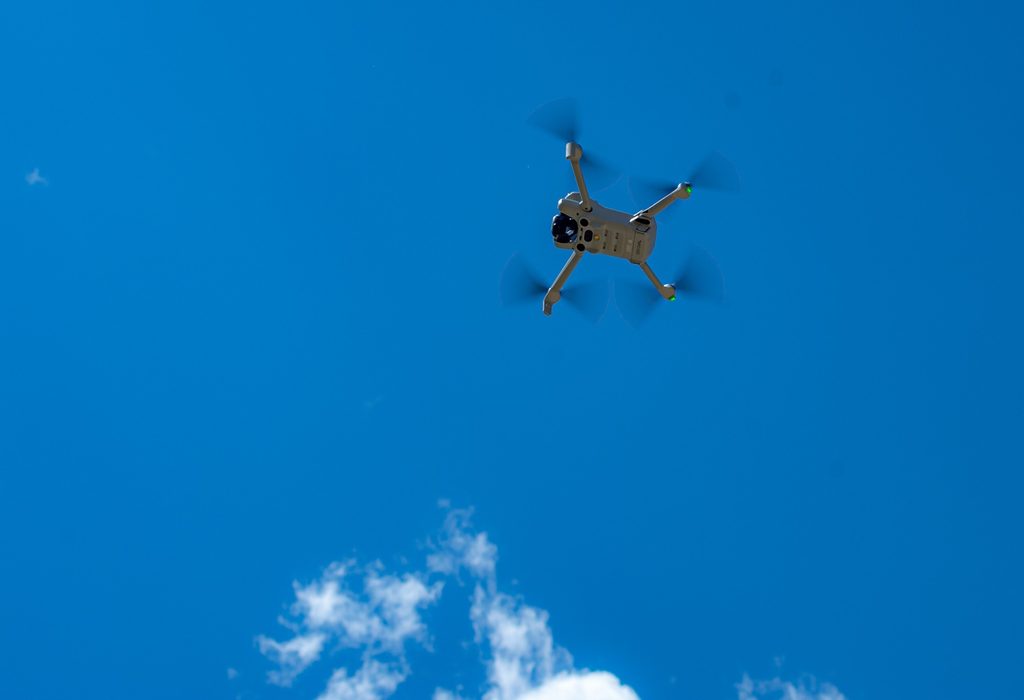
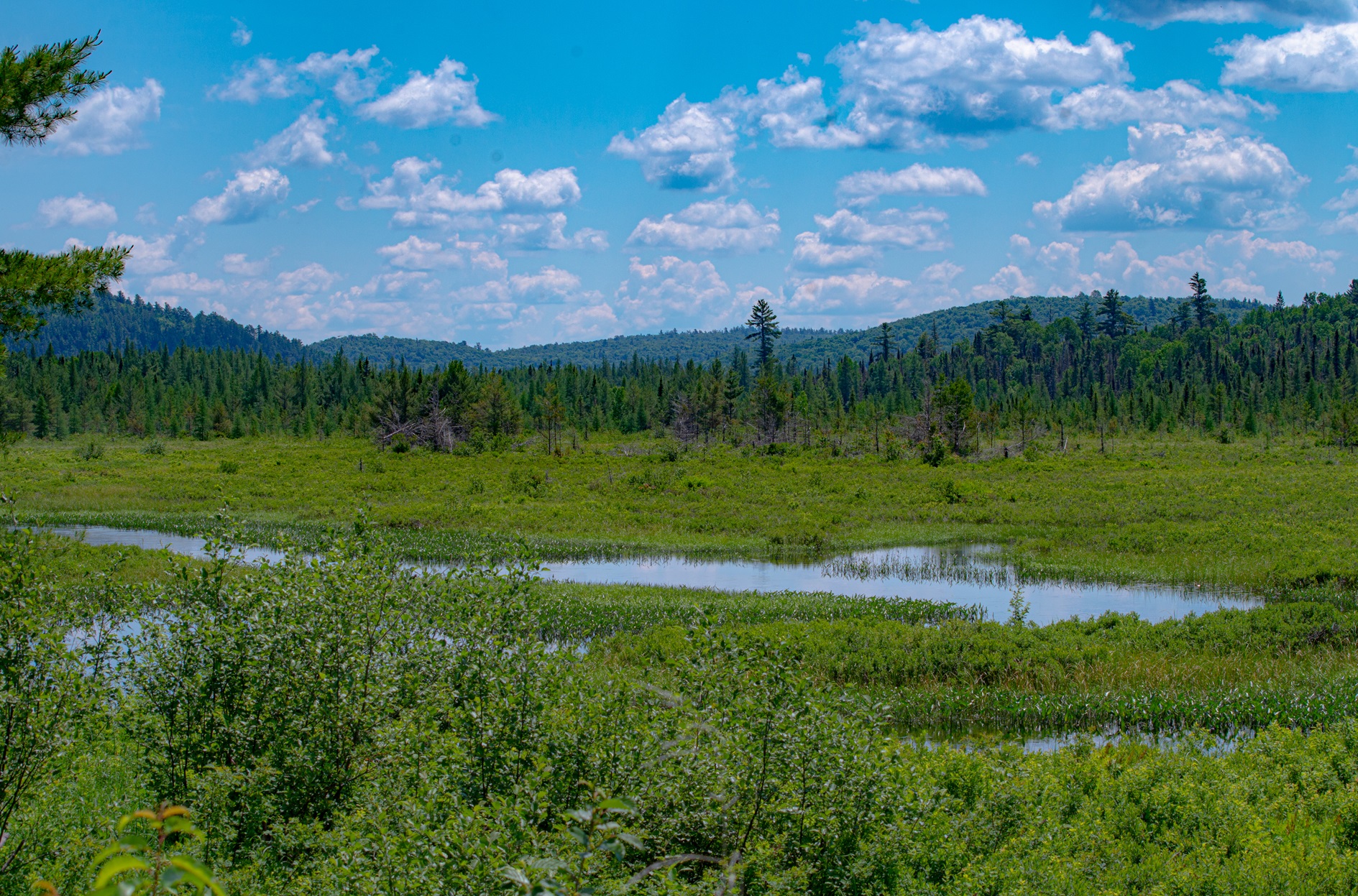
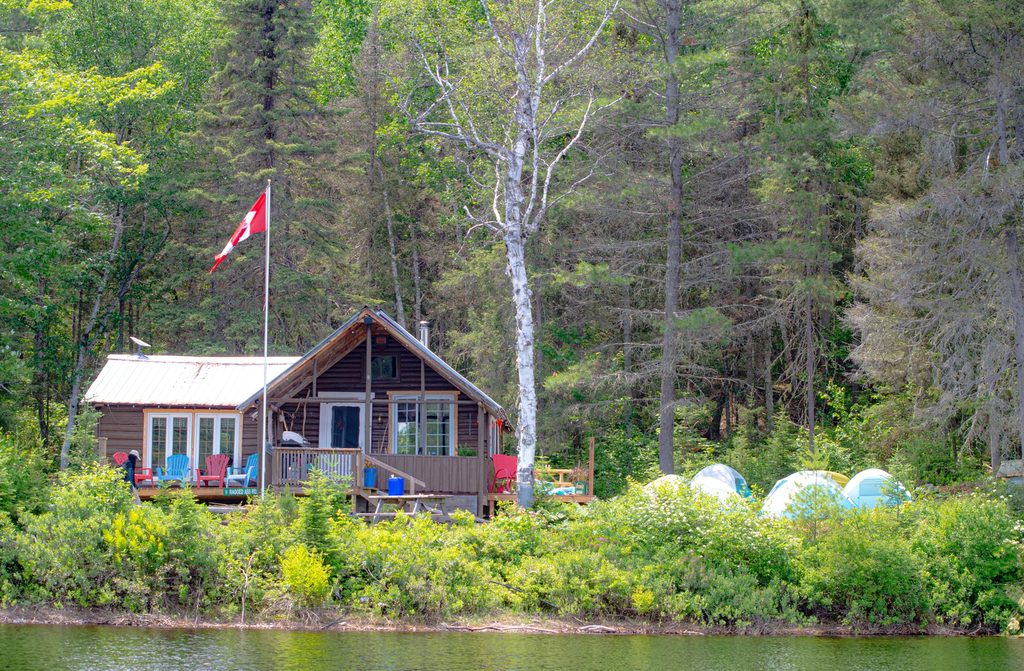
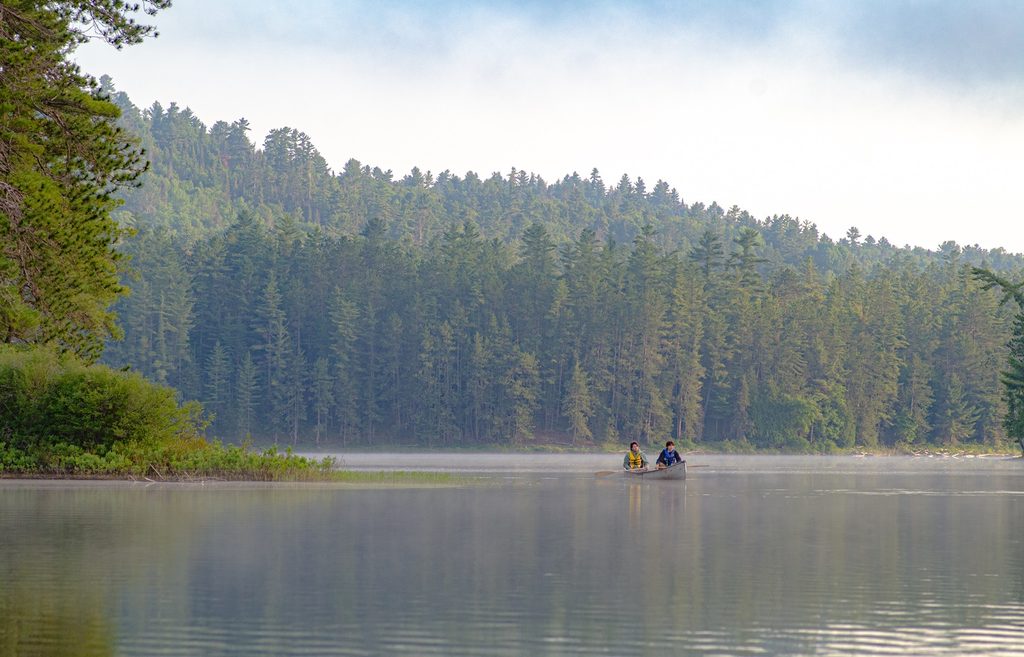
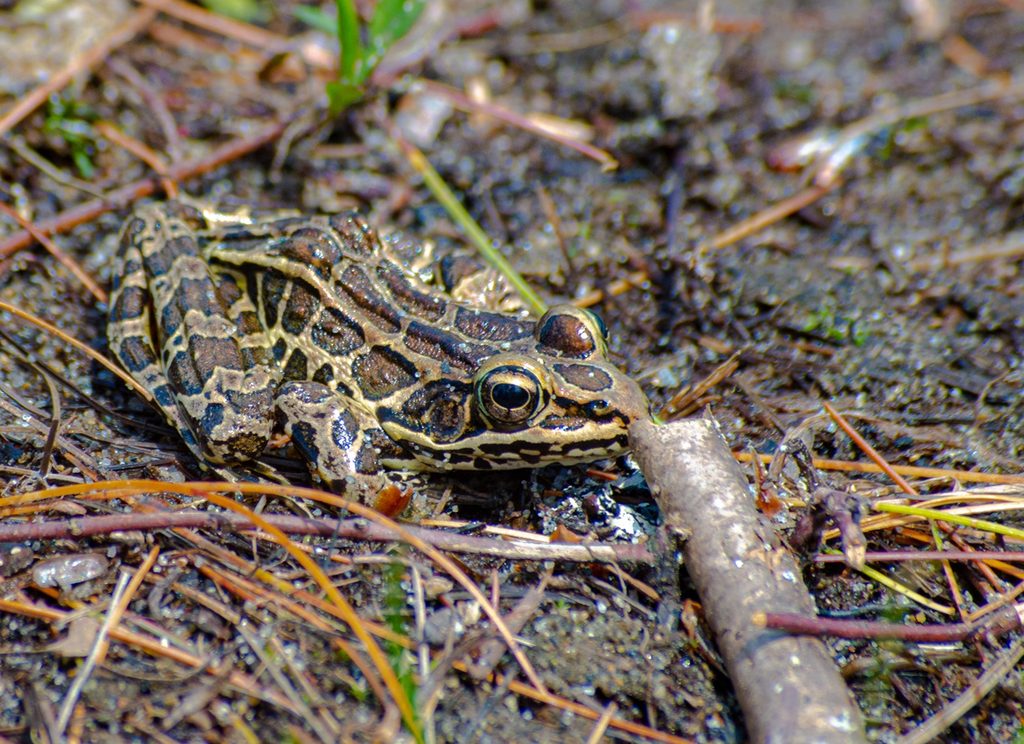
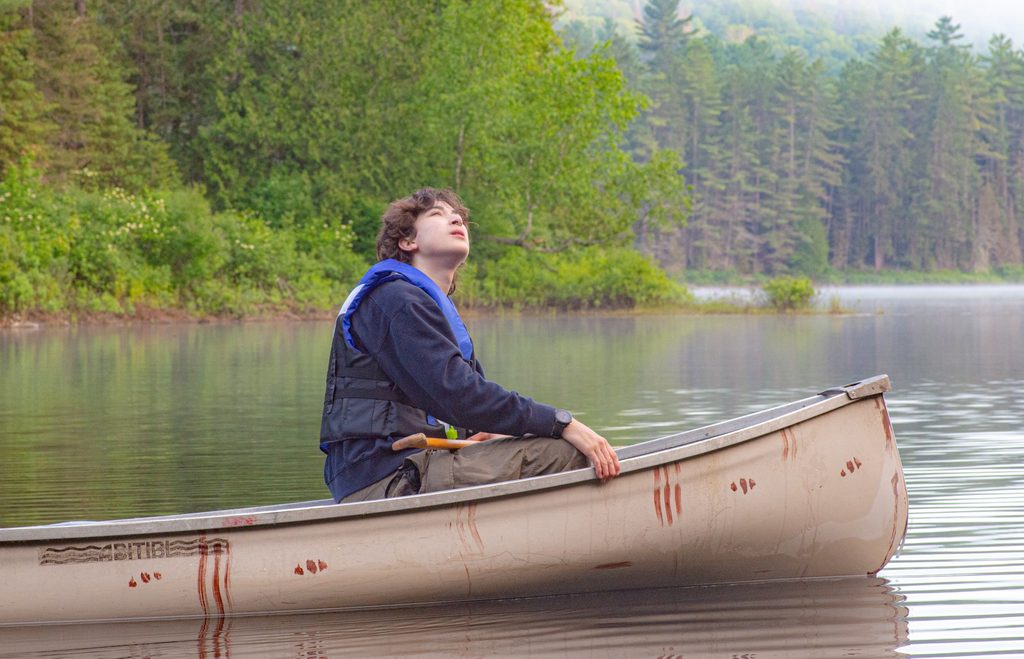
In 2026, many new tools and methods to study wildlife are available for youth and researchers, however, the engagement to conservation starts from curiosity and personal interest
Much has changed since the first Dumoine BioBlitz in 2016. Today, young people have access to a growing range of digital tools and technologies that make it easier to collect, record, share, and analyze environmental information. However, access to technology alone does not necessarily create a connection with nature. Many young people spend most of their time in urban environments and may have limited opportunities to experience wilderness or participate directly in conservation activities. The Nature for Everyone, Everywhere! program responds to this challenge by creating opportunities for young people to connect with nature, learn directly from experienced conservation practitioners, develop meaningful skills, and discover possible pathways for future engagement and careers in environmental protection. Supported by Canada Service Corps, the program is part of a broader effort to empower young people aged 12–30 to gain experience, build skills, and contribute to their communities.
For me personally, the 2026 expedition was also a meaningful continuation of the work that began a decade earlier. In 2016, I helped organize the first BioBlitz and participated in collecting biodiversity data in the Dumoine River area. Ten years later, I returned in a different role—as a trainer, sharing field methods, wildlife monitoring protocols, and practical approaches to biodiversity data collection with a new generation of young people.
The tools may have changed over the past decade, but the most important element remains the same: conservation begins with curiosity, knowledge, and a personal connection with nature.